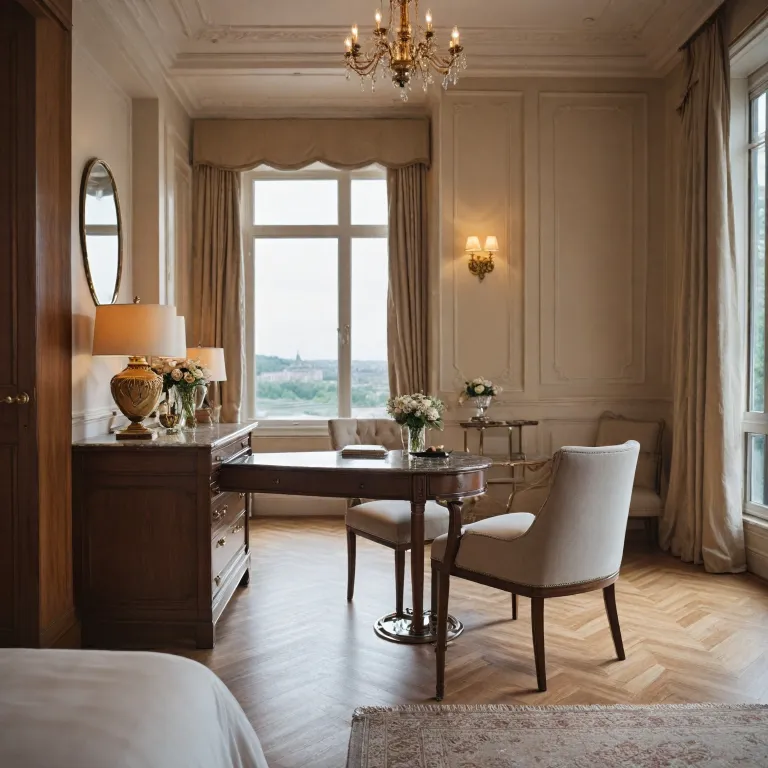
Understanding the hotel midscale landscape in Budapest
Budapest has become a reference point for travelers seeking a refined hotel midscale experience. In this segment, a hotel balances rate and comfort, while hotels typically offer essential amenities without excessive frills. Midscale properties in the Hungarian capital usually provide reliable service, practical rooms, and a sense of place that suits both leisure and business travel.
Globally, the midscale and economy midscale categories sit between basic economy and full service luxury. Industry analysts often describe how these hotels offer affordable rates, yet they typically offer features such as quality breakfast, Wi-Fi, and well designed public spaces. According to market research, midscale properties form a large part of the chain scale spectrum, positioned below upper midscale and upper upscale brands but above pure economy options.
For context, experts note that “Midscale hotels offer affordable accommodations with essential amenities, targeting budget-conscious travelers.” This definition applies in Budapest, where many stay hotels are integrated into international chain networks and local real estate portfolios. Travelers who read industry news will recognize names like Holiday Inn Express, Sleep Inn, and Best Western, even though some of these chains are more common in the United States than in Central Europe.
While brands such as Holiday Inn Express are classified as upper midscale, their service hotels philosophy influences comparable properties in Budapest. These hotels offer consistent amenities, clear standards, and a focus on efficient service that supports both short and extended stay trips. When you plan your stay, think of midscale as the segment that aims to offer comfort, predictability, and value in one coherent package.
Key amenities and services that define midscale comfort
When evaluating a hotel in the midscale category, start with the core amenities that shape your stay. Rooms in these hotels typically offer a practical layout, comfortable bedding, and technology that supports modern travel needs. Many hotels offer free Wi-Fi, in room desks, and efficient bathrooms, which together create a functional base for exploring Budapest.
Breakfast is a central element of the midscale experience, and it often differentiates economy from economy midscale and upper midscale options. A well run hotel will usually provide a generous breakfast buffet or continental spread, and these amenities typically offer both hot and cold choices. While not as elaborate as full service luxury brunches, these breakfast services are designed to be reliable, quick, and satisfying before a day of sightseeing or meetings.
Service quality is another defining factor, even when the property is not classified as upper upscale. In Budapest, midscale properties often emphasize friendly, efficient staff who can read guest needs and respond quickly. Compared with some economy hotels, these service hotels usually maintain a higher staff to guest ratio, which helps with check in, local recommendations, and handling small issues during an extended stay.
Additional amenities may include compact fitness rooms, small meeting spaces, and lobby lounges that typically offer drinks or light snacks. While a hotel in this segment rarely matches the spa facilities of upscale upper competitors, it will usually provide the essentials that travelers most frequently request. For many guests, this balance between amenities, price, and location is what makes midscale hotels in Budapest particularly attractive.
Comparing midscale, upper midscale, and upper upscale in Budapest
Understanding the differences between midscale, upper midscale, and upper upscale hotels in Budapest helps you align expectations with budget. A classic hotel in the midscale range focuses on essential amenities, while upper midscale properties typically offer enhanced rooms and more generous public spaces. Upper upscale hotels, by contrast, lean toward full service offerings, with larger wellness areas, multiple dining venues, and more personalized service.
International chains such as Holiday Inn Express, Hampton Inn & Suites, and Home2 Suites are widely cited as upper midscale benchmarks, even if they are more visible in the United States than in Hungary. These brands, along with regional equivalents, typically offer consistent breakfast, reliable Wi-Fi, and well equipped rooms that suit both short and extended stay guests. In Budapest, comparable chain properties follow similar standards, even when operating under different brand names or local management.
From a chain scale perspective, midscale properties sit above pure economy but below upper midscale and upper upscale. Analysts using STR and Smith Travel Research style methodologies often group hotels by chain scale to compare performance. Within this framework, economy midscale and midscale extended concepts appeal to travelers who value predictable amenities and free services such as Wi-Fi, while still controlling costs.
Upper upscale hotels in Budapest usually occupy prime real estate near the Danube or key cultural landmarks. These properties typically offer larger rooms, more elaborate amenities, and a higher level of full service dining and concierge support. By contrast, midscale and upper midscale hotels offer a more streamlined experience, yet they still typically offer the comfort and reliability that many travelers prioritize over opulence.
Midscale extended stay options and how they fit luxury focused trips
Extended stay and midscale extended concepts are increasingly relevant for travelers who want more time to explore Budapest. An extended stay hotel in the midscale range usually provides larger rooms or studio style layouts, and these rooms often include kitchenettes or basic cooking amenities. This format suits guests planning a longer stay, such as remote workers, families, or travelers combining business and leisure.
Although extended stay hotels are not always marketed as luxury, they can complement a premium travel strategy. For example, you might book a hotel in the midscale extended category for most of your trip, then shift to an upper upscale property for a final night of indulgence. This approach allows you to manage budget while still enjoying select full service experiences, such as spa treatments or fine dining, at a higher tier property.
Many service hotels in this segment typically offer laundry facilities, practical storage, and flexible housekeeping schedules. These amenities are particularly useful during longer travel periods, when the ability to manage clothing and groceries becomes as important as traditional hotel services. Some chains, similar in spirit to Home2 Suites or Sleep Inn in other markets, design their properties to support guests who need a functional base rather than constant attention.
When researching options, read the detailed descriptions of amenities and policies, especially for extended stay conditions. Look for hotels that offer free Wi-Fi, clear information on breakfast, and transparent pricing for any additional services. For travelers interested in culinary experiences during a longer stay, resources such as this guide to elevating your Budapest stay with culinary inspirations on luxury and premium hotel booking websites can help you integrate local gastronomy into a practical midscale itinerary.
Market data, chain scale insights, and what they mean for your booking
Behind every hotel stay in Budapest lies a broader market shaped by global data and investment. Industry reports using STR data and Smith Travel style methodologies show that midscale and upper midscale segments capture a significant share of new development. Recent statistics indicate that midscale hotels worldwide achieve an average daily rate that reflects strong demand for value oriented yet comfortable accommodations.
For example, analysts have reported that U.S. midscale hotels reached a revenue per available room close to one hundred dollars, while global midscale brands achieved an average daily rate slightly above one hundred dollars. These figures, although centered on the United States and global markets, signal how investors view the resilience of midscale properties. Growth in midscale hotel construction projects and expansion into new markets suggest that this chain scale will remain central to international travel patterns.
Real estate strategies increasingly favor flexible assets that can operate as midscale or upper midscale, depending on brand positioning. A hotel aligned with a chain such as Best Western, Holiday Inn Express, or similar service hotels can adapt to changing demand while maintaining consistent standards. These hotels offer owners a balance between construction cost, operating efficiency, and the ability to attract both leisure and business guests.
For travelers, this market context translates into more choice and clearer expectations when booking. You can compare hotels by amenities, location, and price, knowing that midscale properties typically offer a defined baseline of comfort and service. By understanding how chain scale categories such as economy, economy midscale, midscale, upper midscale, and upper upscale relate to one another, you can select the Budapest stay that best matches your priorities.
Practical tips for choosing the right midscale hotel in Budapest
Selecting the right hotel in Budapest begins with clarifying your priorities for the stay. Decide whether you value proximity to the Danube, thermal baths, or business districts, then filter hotels accordingly. Within the midscale and upper midscale ranges, location often has as much impact on your experience as specific amenities.
Next, examine how hotels describe their rooms, breakfast, and additional services. A reliable midscale property will clearly state whether it offers free Wi-Fi, what type of breakfast is included, and which amenities are available throughout the day. Pay attention to whether the hotel positions itself closer to economy midscale or upper midscale, as this can influence room size, decor, and the breadth of service.
Reading recent guest feedback and professional reviews can help you interpret marketing language. Look for comments on cleanliness, staff responsiveness, and noise levels, since these factors strongly affect sleep quality in any hotel category. When you read about chain properties, consider whether the standards associated with brands like Best Western, Holiday Inn Express, or similar inn express style concepts align with your expectations.
Finally, consider how long you plan to stay and whether an extended stay or midscale extended option might suit you better. For trips longer than several nights, stay hotels with kitchenettes, laundry facilities, and flexible housekeeping can significantly improve comfort. By combining these practical checks with an understanding of chain scale and market positioning, you can choose a Budapest hotel that typically offers the right balance of price, amenities, and atmosphere.
How global brands and data driven insights shape Budapest’s midscale scene
Although Budapest has many independent properties, global brands and data driven strategies strongly influence its midscale landscape. International chains study STR data, Smith Travel style benchmarks, and other analytics to refine pricing, amenities, and service models. This research helps them calibrate how hotels offer value while maintaining profitability in a competitive urban market.
Brands such as Holiday Inn Express, Hampton Inn & Suites, and Home2 Suites are frequently cited as leading examples of upper midscale and extended stay concepts. Even when these specific names are less visible in Budapest, their design principles inform comparable properties across Europe. Many service hotels in the city adopt similar layouts, breakfast formats, and amenity packages that typically offer a familiar experience to frequent travelers.
Hotel companies also monitor news about chain scale performance, including the relative strength of economy, economy midscale, midscale, and upper upscale segments. When data shows increased demand for midscale extended or upper midscale products, developers adjust real estate strategies accordingly. This can lead to more stay hotels with flexible room types, better technology, and thoughtfully designed public spaces that support both work and relaxation.
For guests, the benefit of this data driven approach is greater transparency and consistency across properties. Whether you book a hotel aligned with a global chain or a well run independent, you can expect that midscale properties will typically offer a clear set of amenities and service standards. By staying informed about these trends and understanding how chain scale categories function, you can make more confident choices for your next Budapest stay.
Key statistics on the midscale hotel segment
- U.S. midscale hotels recorded a revenue per available room close to 99.8 USD, indicating strong performance for value oriented properties.
- Global average daily rate for midscale brands reached approximately 110.4 USD, reflecting sustained demand for this segment.
- More than half of new hotel openings in one recent period were concentrated in the upper midscale and upscale segments, underscoring investor confidence.
Essential questions about midscale hotels for Budapest travelers
What defines a midscale hotel for visitors planning a Budapest trip ?
Midscale hotels are defined by a balance of price and comfort, offering essential amenities such as comfortable rooms, reliable Wi-Fi, and practical breakfast options. They target travelers who are budget conscious yet unwilling to sacrifice cleanliness, safety, and basic convenience. For Budapest visitors, this means a solid base for exploring the city without paying premium luxury rates.
Which are the leading midscale hotel brands and how do they relate to Budapest ?
Leading midscale and upper midscale brands include Holiday Inn Express, Hampton Inn & Suites, and Home2 Suites, which are widely recognized benchmarks in the segment. While these specific chains may be more prevalent in markets like the United States, their standards influence comparable properties in Budapest. Travelers can look for hotels that follow similar service philosophies, emphasizing consistent amenities, efficient operations, and good value.
What is the typical price level for midscale hotels compared with other segments ?
Recent global data indicates that midscale hotels achieve an average daily rate slightly above one hundred dollars, positioning them between economy and upscale categories. This pricing reflects the inclusion of key amenities such as breakfast, Wi-Fi, and well designed rooms, which typically offer better value than bare bones economy options. In Budapest, rates will vary by season and location, but midscale properties generally remain more accessible than upper upscale or luxury hotels.