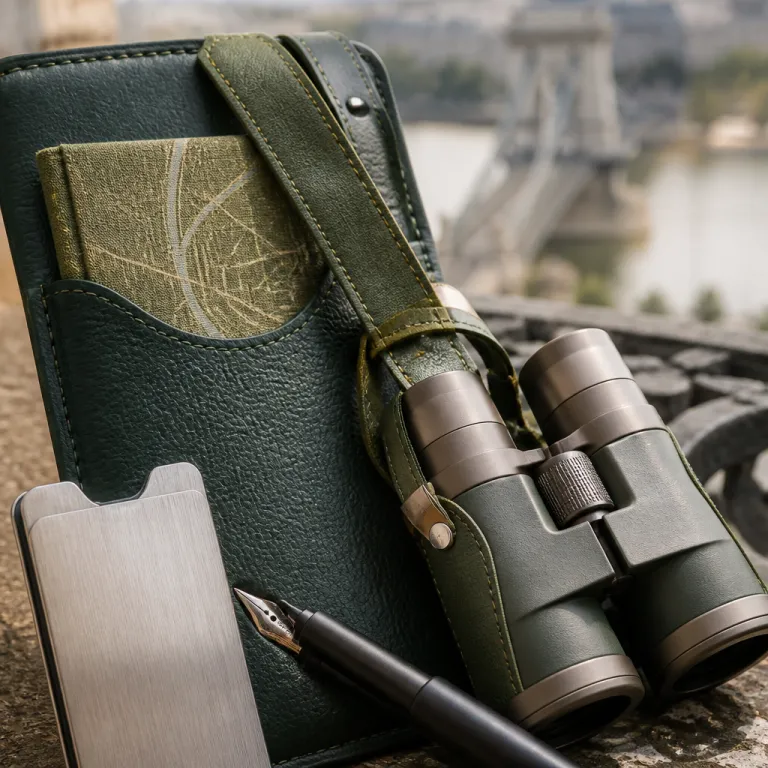
Things to see in Budapest when you love refined city breaks
Budapest rewards travelers who take their time and look closely. This is a city where the Danube River divides history and nightlife, spa culture and grand architecture, the Buda side and the Pest side. When you plan your stay around the most elegant things to see in Budapest, you also choose the neighborhood and hotel style that will shape every day of your trip.
On the Buda side, Castle Hill rises above the Danube like a storybook scene, with Buda Castle, Matthias Church and Fisherman’s Bastion forming a single monumental place to explore. Across the water, Budapest city stretches out in a grid of boulevards, where the Hungarian Parliament Building, the Great Market Hall and the Jewish Quarter sit within easy reach of luxury hotels. Understanding how these highlights connect on the map helps you find the best address for both sightseeing and quiet nights, whether you walk, ride the tram or book a short taxi transfer.
Most visitors split their time between the castle district, the Danube riverfront and the grand avenues of Pest, but the way you move between them matters. Reliable public transport makes it simple to glide from a breakfast near Heroes Square to an afternoon at the thermal baths or a sunset walk across the Chain Bridge. When you book a premium hotel that aligns with your favorite Budapest attractions, every day feels effortless and every visit to a landmark becomes part of a coherent, elegant city story, rather than a rushed checklist of famous places.
Buda Castle, Castle Hill and the Danube river: where views meet heritage
For many travelers, the most memorable things to see in Budapest begin on Castle Hill, where Buda Castle crowns the skyline. This former royal palace now houses museums and galleries, yet its terraces remain the best place to appreciate the full sweep of Budapest city along the Danube River. From here you can see the Parliament Building, the Chain Bridge and the domes and spires that define the Pest side, all in one sweeping view, especially around sunrise when tour groups are still scarce.
Walk a few minutes from Buda Castle and you reach Matthias Church and Fisherman’s Bastion, two of the most atmospheric places Budapest offers to lovers of architecture. The neo Romanesque arches of the bastion frame the Hungarian Parliament Building perfectly, especially at the golden hour of the day. Many premium hotels on the Buda side arrange private transfers or guided walks so you can visit these landmarks with minimal effort and maximum time for quiet appreciation, and local guides often know side stairways and lifts that reduce climbing for guests with limited mobility.
After a morning on Castle Hill, consider crossing the Chain Bridge on foot to feel the scale of the Danube and the city around you. A refined way to continue the day is to pair a riverside lunch with a tasting of local wines, guided by your hotel sommelier, and resources such as this guide to Hungarian wine beyond Tokaji can help you order with confidence. When you return to your room and look back toward Buda Castle lit at night, with the river quietly reflecting its walls, you understand why this part of Budapest has become a benchmark for European city elegance and one of the most photographed riverfronts in Central Europe.
Hungarian Parliament Building, Chain Bridge and the grand Pest riverfront
On the Pest side of the Danube, the Hungarian Parliament Building dominates the riverfront and anchors many of the essential things to see in Budapest. This neo Gothic building is not only the political heart of the city but also a masterpiece of stonework and stained glass that rewards a guided visit. From the riverside promenade you can admire the Parliament Building by day, then return at night when its reflection shimmers across the Danube River and the façades along the embankment glow in warm light.
Staying near the riverfront places you within walking distance of the Chain Bridge, the Great Market Hall and several of the city’s finest hotels. Many luxury properties in this area curate itineraries that combine a morning tour of the Parliament with an afternoon spa session or a private Danube cruise, ensuring your time is balanced between culture and relaxation. If you are still choosing your base, a detailed guide on where to stay in Budapest for a refined luxury escape can help you find the best neighborhood for your style.
From this part of Budapest city, public transport links make it easy to reach Heroes Square, the House of Terror museum or the famous baths in City Park. You might start the day with breakfast in a café near the Parliament Building, then use the tram to visit the Great Market Hall for local ingredients and a chimney cake. When you plan your visit around these riverfront icons, you experience both the ceremonial and everyday sides of Budapest in a single, well structured day, and you can usually move between these highlights in ten to twenty minutes using the metro or riverside tram lines.
Markets, breakfasts and ruin bars: living the Pest side like a local
Some of the most engaging things to see in Budapest are not monuments but markets, cafés and nightlife districts where residents actually spend their time. The Great Market Hall, often called the central market hall, is a perfect place to start a day with a Hungarian style breakfast of fresh pastries, cured meats and seasonal fruit. Arrive early and you find a calmer atmosphere, with more space to appreciate the architecture of the building and the colors of the produce stands, and to buy paprika or wine without queuing at every stall.
From the market, it is a short walk or tram ride to the Jewish Quarter, now one of the liveliest areas on the Pest side for dining and nightlife. Here you can visit historic synagogues by day and return in the evening to experience the famous ruin bars, which occupy once abandoned courtyards and apartment blocks. Many premium hotels in Budapest city offer concierge curated lists of the best ruin bars and restaurants, helping you choose places that match your taste for design, music and crowd, and pointing you toward quieter courtyards if you prefer conversation to loud DJ sets.
Between sightseeing stops, schedule time for a second breakfast or light lunch in one of the grand cafés that line the boulevards of Pest. These are ideal places to pause, review the Budapest experiences still on your list and decide whether to visit Heroes Square, the House of Terror or a different neighborhood next. If you prefer to stay slightly removed from the busiest streets while remaining central, an elegant option such as the property reviewed here as an elegant stay between railway stations and the Danube can offer both convenience and calm, with tram stops nearby for quick access to the riverfront and Castle Hill.
Thermal baths, Gellért Hill and Heroes Square: wellness and open air highlights
Budapest is famous for its thermal baths, and any list of things to see in Budapest for a luxury traveler should include at least one spa session. Széchenyi Thermal Baths in City Park is the largest complex in Europe, with outdoor pools that steam in winter and glow at night. Many high end hotels can arrange skip the line tickets or private transfers, allowing you to spend more time in the water and less time navigating queues, and most baths provide rental towels and cabins so you can travel light.
After a morning in the baths, you might walk or take public transport to Heroes Square, where statues of Hungarian leaders stand before the colonnades of the Millennium Monument. This vast open space marks the entrance to City Park and offers a different kind of grandeur compared with Buda Castle or the Parliament Building. From here, tree lined paths lead to museums and lakeside cafés, giving you a chance to balance intense sightseeing with slower, more reflective time outdoors, and to photograph the square without crowds if you arrive before late morning.
Later in the day, consider heading to Gellért Hill on the Buda side for another perspective on Budapest city and the Danube River. The climb rewards you with panoramic views that include Castle Hill, the Chain Bridge and the Pest skyline, making it one of the great vantage points for photographers. When you return to your hotel for a late breakfast or early dinner, with the scent of thermal water still on your skin, you will have experienced both the restorative baths and the open air highlights that define the city’s rhythm, and you will understand why locals combine spa visits with long walks whenever the weather allows.
Planning your luxury base around the best things to see in Budapest
Choosing the right neighborhood is the most strategic decision you make when planning which things to see in Budapest. If your priorities include Buda Castle, Matthias Church and Fisherman’s Bastion, then a hotel on the Buda side or near the Chain Bridge will minimize travel time. Travelers more interested in the Great Market Hall, the Jewish Quarter and the House of Terror often prefer a base in central Pest, where many of the best restaurants and bars are within walking distance.
Budapest city has an efficient and reliable public transport system, so you can confidently book a hotel that suits your style rather than chasing every single landmark on foot. Trams and metro lines connect the Danube riverfront with Castle Hill, Heroes Square and the main thermal baths, making it easy to structure each day around one or two major sights. As local tourism authorities emphasize, “Yes, Budapest has an efficient and reliable public transport system.”
When comparing luxury and premium hotels, look beyond room size and spa facilities to how each property positions you relative to the places Budapest is most famous for. Ask whether you can reach the Parliament Building, the Danube River promenade or your chosen baths within fifteen to twenty minutes, either on foot or by tram. By aligning your hotel choice with your personal list of things to see in Budapest, you transform a simple city break into a coherent, deeply satisfying stay where every place you visit feels naturally connected.
Key figures for planning your Budapest city stay
- Approximately 1.2 million visitors tour Buda Castle each year according to the Budapest Tourism Board, which makes early morning or late afternoon the best time of day to visit this landmark in relative calm.
- The Budapest Tourism Board counts nine major thermal baths in the city, so luxury travelers can easily find a spa that matches their preferred atmosphere, from lively outdoor pools to quieter, historic interiors.
- Guided tours in English are widely available at major sites such as Buda Castle and the Hungarian Parliament Building, and most operators offer several time slots per day to fit different sightseeing schedules.
- Key attractions including Buda Castle, the Parliament Building, Széchenyi Thermal Baths, Fisherman’s Bastion and St. Stephen’s Basilica operate year round, allowing you to plan a Budapest city break in any season.
FAQ about things to see in Budapest for luxury travelers
What is the best time to visit Budapest for sightseeing and comfort ?
Spring and autumn offer pleasant weather and fewer tourists, which makes them ideal seasons to enjoy outdoor places such as Castle Hill, Heroes Square and the Danube riverfront. During these periods, hotel rates at luxury properties can also be more favorable than in peak summer. You gain more time and space at each building and landmark, especially at Buda Castle and the thermal baths.
Are guided tours in English available at major Budapest attractions ?
Yes, most major attractions offer English speaking guides, including Buda Castle, the Hungarian Parliament Building and St. Stephen’s Basilica. Many luxury hotels can arrange private guides who tailor the visit to your interests, whether you prefer architecture, history or photography. Audio guides in English are also common, giving you flexibility in how you explore each place.
Is public transport a good option for guests staying in premium hotels ?
Public transport in Budapest is efficient and reliable, so even guests at high end hotels use trams and the metro to move between districts. A central location near the Danube River or the main boulevards usually means you can reach Castle Hill, the Great Market Hall and the baths within minutes. Combining public transport with occasional private transfers gives you both convenience and a sense of the city’s daily rhythm.
How many days should I plan to see the main Budapest highlights ?
A stay of three to four days allows you to visit Buda Castle, the Parliament Building, the Great Market Hall, one or two thermal baths and key sites such as Fisherman’s Bastion and Heroes Square at a comfortable pace. With five days or more, you can add Gellért Hill, the House of Terror museum and evenings in the Jewish Quarter and ruin bars. Luxury travelers often appreciate this extra time to balance structured sightseeing with spa sessions and leisurely breakfasts.
Which neighborhoods work best for a refined Budapest city escape ?
For river views and quick access to both Buda and Pest, areas near the Chain Bridge and the Parliament Building are excellent choices. Travelers who prioritize nightlife, markets and dining often prefer the Jewish Quarter or streets near the Great Market Hall on the Pest side. If you value quiet surroundings and proximity to Castle Hill, a hotel in the Buda castle district offers a more residential, historic atmosphere while keeping you close to the main things to see in Budapest.