Considering where to stay in Budapest? Discover why Terézváros, just behind Andrássy út and the Hungarian State Opera, is one of the best districts for hotels, culture, transport and walkable streets, plus top hotel picks and practical booking tips.
Is Terézváros the best area to stay in Budapest?
Why Terézváros works so well as a hotel district
Step out at Oktogon (Teréz körút 55) and you are in the middle of Terézváros, the Budapest district where grand boulevards, theatres and everyday city life intersect. This is not the postcard Danube promenade, yet for many travellers it is the best place to stay in Budapest Hungary if you want culture, restaurants and transport within a few minutes’ walk. The area forms a long band behind Andrássy út, running from the Hungarian State Opera House at Andrássy út 22 up towards Heroes’ Square, with hotels scattered along both the main avenue and the quieter side streets.
For a first stay in Budapest, Terézváros offers a rare balance. You are close enough to the river and the historic core to walk there in 15–20 minutes, but far enough to avoid the heavy tour-group traffic that dominates some central streets. The district feels lived-in; cafés, small galleries and wine bars sit next to residential buildings, and you will hear Hungarian on the pavement as often as English or German. It is a hotel district that serves both business and leisure guests, without feeling like a theme park or a purely tourist quarter.
To make the area more concrete, here are a few well-known hotels in Terézváros and their typical walking times, based on map distances and average city walking speeds:
- Corinthia Budapest (Erzsébet körút 43–49) – 5-star, upper-mid to luxury price band (often from around €180–€260 per night outside peak dates); around 10 minutes on foot to the Opera House, 12–14 minutes to Nyugati tér, about 25 minutes to Hősök tere.
- K+K Hotel Opera (Révay utca 24) – 4-star, mid-range (typically €110–€170); roughly 2 minutes’ walk to the Hungarian State Opera, 10–12 minutes to Oktogon, about 20 minutes to Heroes’ Square via Andrássy út.
- Hotel Moments Budapest (Andrássy út 8) – 4-star, upper-mid-range (often €140–€200); approximately 4–5 minutes to the Opera House, 6–7 minutes to Oktogon, around 22–24 minutes to Hősök tere.
- Radisson Blu Béke Hotel (Teréz körút 43) – 4-star, mid-range (commonly €110–€160); about 4–5 minutes’ walk to Nyugati tér, 15–17 minutes to the Opera, roughly 30 minutes to Heroes’ Square.
- Opera Garden Hotel & Apartments (Hajós utca 24) – 4-star, mid-range (usually €100–€150); around 6–7 minutes to the Opera House, 12–14 minutes to Nyugati tér, about 22–24 minutes to Hősök tere.
These examples show how compact the district is; even from the upper end of the price spectrum to more modest options, you are rarely more than a short walk or a couple of metro stops from the main cultural sights and central Budapest attractions.
Quick top picks in Terézváros
- Best for classic luxury: Corinthia Budapest – grand spa, generous rooms; slightly longer walk to the river.
- Best for culture lovers: K+K Hotel Opera – steps from the Opera House; rooms can feel compact in entry categories.
- Best boutique on Andrássy út: Hotel Moments Budapest – stylish design, excellent location; limited on-site spa facilities.
- Best for rail travellers: Radisson Blu Béke Hotel – very close to Nyugati station; front-facing rooms may hear traffic.
- Best for apartment-style stays: Opera Garden Hotel & Apartments – kitchenettes and family options; set on a quieter side street.
Atmosphere and micro-neighbourhoods within Terézváros
Life changes noticeably as you walk from Nyugati tér up to Kodály körönd. Around Nyugati and Teréz körút the streets are busy, trams rattle past and the ground floors are lined with informal eateries and bars; hotels here suit travellers who want a lively, urban feel and quick access to the ring road. Move one or two blocks inwards and the tone softens, with tree-lined residential streets and calmer, more discreet properties that feel more like a neighbourhood than a transit hub.
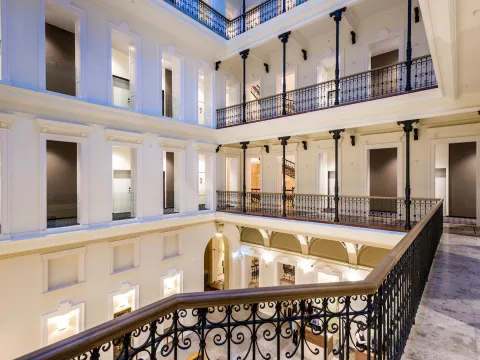
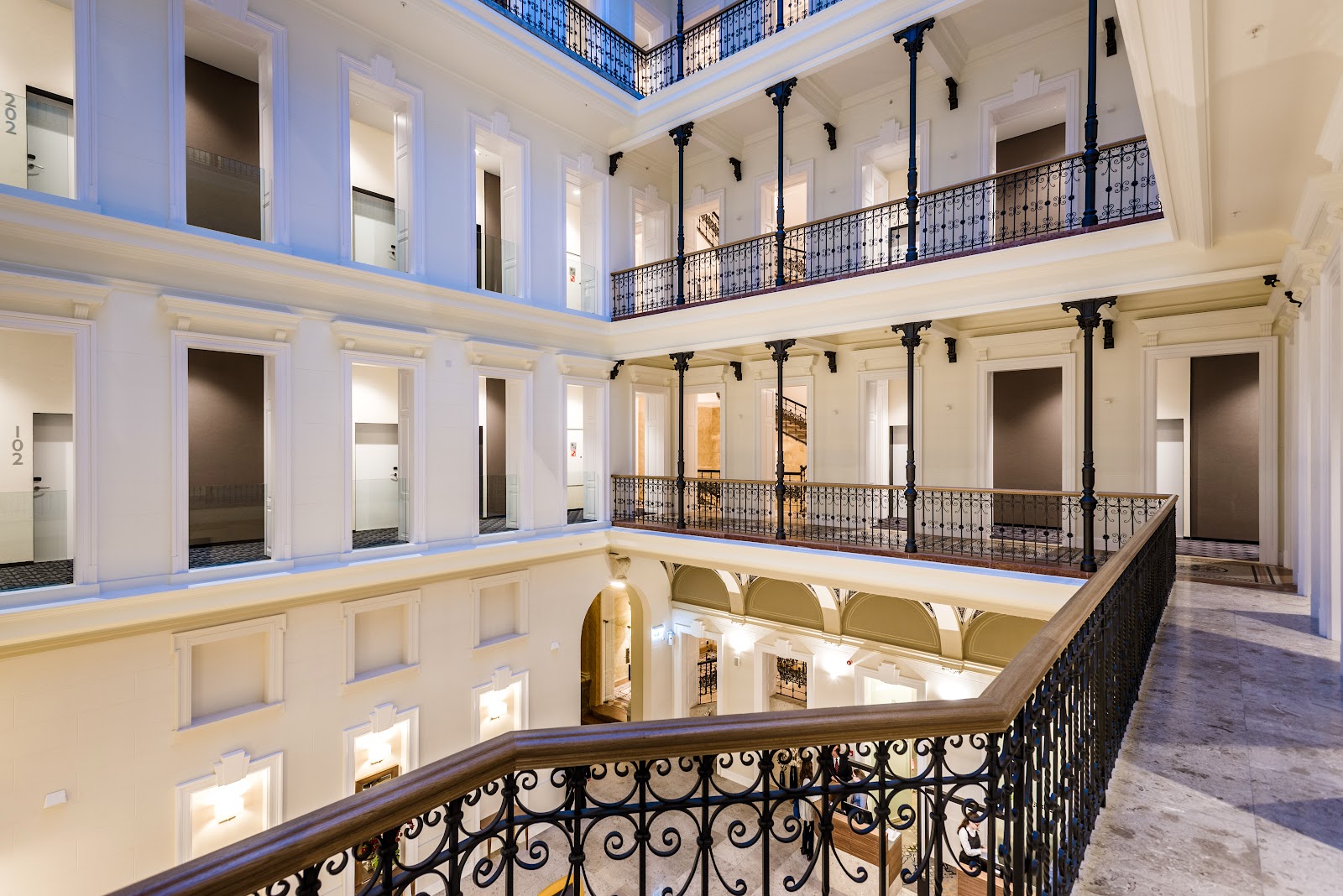
Closer to the Opera House and the Hungarian State Opera, the district takes on a more polished character. Facades are freshly restored, doorways are high and ornate, and many of the best Budapest hotels in this area occupy former townhouses or palaces. This is where you will find a concentration of higher star hotels, often with compact wellness areas and refined lobby bars rather than sprawling resort-style facilities. The average guest here is in town for a long weekend, a performance or a conference, and appreciates being able to walk almost everywhere without relying heavily on taxis.
Further up Andrássy út, towards Kodály körönd and beyond, the rhythm slows again. Buildings are grander, pavements wider, traffic lighter. Hotels in this stretch tend to appeal to guests who prefer space and a slightly more residential feel, even if it means a longer walk or a short metro ride to the river. If you value quiet nights over being in the thick of the nightlife, this upper part of Terézváros can be a great compromise between centrality and calm.
In practical terms, you can think of three micro-zones when choosing where to stay in Terézváros:
- Nyugati tér & Teréz körút – buzzy, transport-heavy, ideal for guests who prioritise quick connections and casual dining over silence.
- Opera House & Liszt Ferenc tér – elegant, culture-focused streets with many boutique and design-led Budapest hotels, good for theatre evenings and restaurant-hopping.
- Kodály körönd towards Heroes’ Square – more spacious, residential blocks with a calmer feel, suited to longer stays and travellers who like early nights.
Access, transport and getting around the city
From a practical standpoint, Terézváros is one of the easiest Budapest districts for moving around without effort. Three metro lines intersect the area or its edges, including the historic M1 line that runs under Andrássy út from the city centre to Heroes’ Square. Staying near an M1 station such as Opera, Oktogon or Vörösmarty utca means you can reach the river, the thermal baths in City Park or the shopping streets in a matter of minutes. For many travellers, this convenience outweighs being directly on the Danube and compensates for the lack of a river panorama.
Tram lines along Teréz körút and the junction at Nyugati tér connect the district to Buda and to other hotel areas such as the inner part of District V. If you plan to explore several neighbourhoods, this connectivity matters more than a postcard view. Taxis are easy to find on the main boulevards, but many guests discover that most of their stay can be managed on foot, especially if they choose a Terézváros hotel close to Andrássy út or one of the main metro stops.
For arrivals and departures, the district sits conveniently between the airport road and the inner city. Airport transfers usually reach Terézváros a little faster than the riverside hotels, simply because traffic tends to flow better away from the embankment. If you are arriving by train, Nyugati station on Teréz körút is within walking distance or a short taxi ride from many properties, which makes this a preferred hotel area for travellers combining Budapest with other parts of Hungary.
To visualise distances within the district, it helps to think in simple walking times rather than kilometres; the following estimates are based on common online map tools and average walking speeds:
- Opera House to Oktogon: roughly 8–10 minutes on foot along Andrássy út.
- Oktogon to Nyugati tér: about 10–12 minutes’ walk or two tram stops.
- Opera House to Heroes’ Square (Hősök tere): around 25 minutes on foot, or 8–10 minutes on metro line M1.
- Nyugati tér to Heroes’ Square: approximately 25–30 minutes walking, or a short combination of tram and metro.
What type of traveller Terézváros suits best
Cultural travellers who plan their stay around performances, exhibitions and restaurants are particularly well served here. Being able to leave your hotel, walk five minutes to the Hungarian State Opera, then stroll back via Liszt Ferenc tér for a late glass of Tokaji is a specific, very Budapest pleasure. If your idea of a great night is a concert followed by a quiet drink rather than a ruin bar crawl, this district aligns neatly with your rhythm. Families with older children also appreciate the safe, walkable grid of streets and the easy metro access to City Park.
Business travellers often choose Terézváros for its balance of formality and local life. The hotels Budapest offers in this area tend to have polished public spaces suitable for informal meetings, yet you are never far from a relaxed café on a side street. If you need to move between different Budapest hotels for meetings or events, the central position of the district makes logistics straightforward. It is a stay district that feels professional without being sterile or cut off from everyday life.
Nightlife-focused visitors may prefer to stay slightly closer to the ruin bars of the neighbouring district, but Terézváros still works if you want to dip into that scene rather than live in the middle of it. You can walk from Király utca back to Andrássy út in under fifteen minutes, then retreat to a quieter street for sleep. In other words, this is not the most hedonistic part of the city, yet it offers enough late-opening spots to keep evenings interesting without overwhelming the area.
If you are unsure whether the district matches your style, consider these quick pointers:
- Choose Terézváros if you value theatres, classical music, cafés and walkable streets over clubbing.
- Consider elsewhere if your priority is a direct Danube panorama or being next door to the loudest ruin bars.
- Look closely at micro-location if you are sensitive to noise; a side street off Andrássy út will usually feel calmer than a room facing Teréz körút.
How to choose a hotel in Terézváros
Choosing the right hotel in this district starts with one question; do you want to be closer to the Opera and the inner city, or nearer to Heroes’ Square and City Park. Properties near the Opera House and Andrássy út are ideal if you plan to spend most of your time in the historic centre, at the Hungarian State Opera or in the surrounding theatres. Hotels further up towards Hősök tere and the museum quarter suit guests who prioritise green space, morning runs and easier access to the baths and galleries in the park.
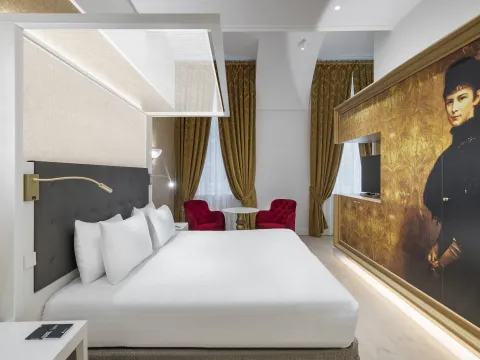
Star hotels in Terézváros range from simple three star addresses to polished five star properties, often within a few streets of each other. The difference is rarely about location and more about atmosphere, room size and services. Before you book, check the room categories carefully; some historic buildings have charming but compact entry-level rooms, while higher categories offer more generous layouts and better views. If you value natural light, pay attention to whether your room faces a courtyard or the street.
Another useful filter is to look at the immediate street environment. A hotel on Teréz körút or near Nyugati tér will place you on a busy traffic axis, with excellent transport but more noise. A property tucked into a side utca, one or two blocks off Andrássy út, will feel more residential and quiet, though you may walk a little further to the tram or metro. There is no single best choice; it depends whether you prefer to step out into the buzz of the city or onto a calmer side street.
To narrow down options quickly, it helps to:
- Decide whether you want a classic grand hotel, a contemporary design property or a simple, good-value base.
- Check whether breakfast, wellness access and parking are included or charged separately, as this can shift the real price band.
- Read recent guest comments about noise levels and air conditioning, especially if you are visiting in summer.
Expectations, availability and what to check before booking
Availability in Terézváros follows the cultural calendar more than the beach-and-sun rhythm of other European cities. When the opera and theatre seasons are in full swing, and during major festivals, the most popular addresses near the State Opera and Liszt Ferenc tér can fill quickly. At quieter times, you will usually find a good spread of options across the district. It is wise to check availability early if your stay coincides with a performance you particularly want to attend.
In terms of what to expect, most hotels in this Budapest district offer a solid core of services rather than extravagant extras. You can generally count on a staffed reception, breakfast options and some form of bar or lounge, with higher-category properties adding wellness areas or more elaborate dining. When comparing hotels Budapest wide, pay attention less to headline star ratings and more to the details that matter to you personally; soundproofing, bed quality, access to natural light, or the presence of a small fitness room. These elements shape your stay more than a decorative flourish in the lobby.
Before you commit, check the exact address on a map and trace your likely daily routes on foot. Look at how far you will walk to the nearest metro stop, to Andrássy út, to the Opera House or to your preferred restaurants. If you plan to use public transport extensively, staying near Oktogon or Nyugati tér gives you more direct connections. If you prefer to explore mostly on foot, a location between the Opera and Liszt Ferenc tér often feels like the most efficient base in Terézváros.
As a final checklist before confirming a booking, it is worth verifying:
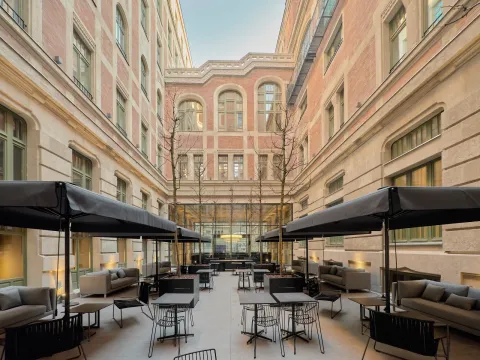
- Whether your room faces an inner courtyard or a main street, and if windows have proper blackout curtains.
- How early breakfast starts and how late it runs, especially if you have early tours or late theatre nights.
- Any renovation works or seasonal closures that might affect facilities such as the spa, bar or restaurant.
Terézváros versus other central Budapest districts
Comparing Terézváros with the riverfront districts clarifies its appeal. District V along the Danube offers direct river views and immediate access to the grandest civic buildings, but it can feel formal and heavily touristed. Terézváros, set one block back from the river axis, trades those postcard views for a more lived-in, cultural atmosphere and often more spacious rooms for the same general level of comfort. For many guests, that trade-off feels worthwhile, especially on a longer stay.
Against the neighbouring party-focused areas, Terézváros comes across as more mature and composed. You can still reach the bars and late-night spots of the adjoining streets easily, yet you return to a district where residential life and the arts set the tone. If you are choosing between several Budapest hotels and you value sleep as much as nightlife, this balance matters. The district functions as a hinge between the formal city and the bohemian quarters, giving you a central base that feels both practical and distinctly Budapest.
For repeat visitors to Budapest Hungary, Terézváros often becomes the default base. The combination of transport, culture and everyday amenities is hard to beat, and the range of hotel options means you can adjust your choice from trip to trip. One visit might call for a discreet, design-led address on a quiet utca; another for a more classic property closer to the main junctions. Either way, the district’s structure and atmosphere support a stay that feels rooted in the city rather than in a single tourist sight.
Is Terézváros a good area to stay in Budapest?
Terézváros is an excellent area to stay in Budapest if you value culture, walkability and easy transport over direct river views. The district sits just behind Andrássy út, close to the Hungarian State Opera and Liszt Ferenc tér, which makes it ideal for evenings at the theatre, concerts or dinners. Metro and tram connections from Oktogon, Opera and Nyugati tér link you quickly to other parts of the city, while the side streets offer a quieter, more residential feel than the riverfront. For many travellers, this combination of practicality and atmosphere makes Terézváros one of the best bases in the city.
What should I check before booking a hotel in Terézváros?
Before booking, check the exact location of the hotel within the district and how far it is from the metro, Andrássy út and the Opera House. Look carefully at room categories, as historic buildings sometimes have smaller entry-level rooms and larger upgraded options. Consider whether you prefer a lively main boulevard such as Teréz körút or a quieter side street, and think about your typical day; where you will have breakfast, how you will reach evening performances, how much you plan to walk. Finally, check availability around major cultural events, as the most popular addresses near the Hungarian State Opera can fill quickly.
Is Terézváros suitable for families?
Terézváros works well for families, especially with older children who can walk comfortably and use public transport. The grid of streets behind Andrássy út is easy to navigate, and metro line M1 connects the district directly to City Park and Heroes’ Square, where you will find museums and open space. Many hotels offer family-friendly room configurations, though you should always verify the exact layout and bedding. The area feels safe and lived-in, with plenty of cafés and casual restaurants for relaxed meals.
How does Terézváros compare to staying by the Danube?
Staying by the Danube in District V gives you immediate river views and proximity to some of Budapest’s most photographed landmarks, but it often comes with heavier tourist traffic and a more formal atmosphere. Terézváros, one block inland, offers a more local, cultural environment centred on Andrássy út, the Opera and Liszt Ferenc tér. You lose the direct river panorama, yet you gain easier access to theatres, everyday shops and a broader range of dining options. For travellers who prioritise culture and comfort over a postcard view, Terézváros is often the more satisfying choice.
When is it hardest to find availability in Terézváros hotels?
Availability in Terézváros tightens during peak cultural periods, when the Hungarian State Opera and nearby theatres have major productions or festivals. At these times, hotels closest to the Opera House and Liszt Ferenc tér are usually the first to fill. Weekends in spring and autumn can also be busy, as these seasons are popular for city breaks in Budapest. If your trip coincides with a specific performance or event, it is wise to check availability and secure your preferred hotel well in advance.