Considering a stay in Hegyvidék, Budapest’s hillside District XII ? Discover its calm atmosphere, hotel and apartment options, access, parking and who this area suits best.
Why Hegyvidék is a smart alternative to central Budapest
Leafy streets climb steadily from Déli pályaudvar up towards the Buda Hills, and with every metre you gain, the tempo of Budapest city life drops a notch. This is Hegyvidék, District XII, a residential enclave in the capital of Hungary where embassies hide behind gardens and elegant buildings sit on quiet corners. It is not the obvious first choice for a hotel in Budapest, yet for many travellers it is the right one.
Staying here means trading the immediate buzz of the city centre for space, light and cleaner air. You wake to birds rather than tram bells, but you are still a short ride from the Danube and the historic Buda Castle area. A hotel Budapest address in Hegyvidék typically offers larger room layouts, calmer lobbies and a more local rhythm than comparable hotels in Pest. For guests planning several days in Budapest, Hungary, that slower pace can be a luxury in itself.
The district suits travellers who value comfort over spectacle. If you like to walk in the morning, sip a long breakfast, then head into Budapest city for museums, art galleries or the thermal baths, Hegyvidék Budapest works. If you want to step out of your hotel straight into nightlife, it does not. The choice is that clear.
Atmosphere and urban fabric in Hegyvidék
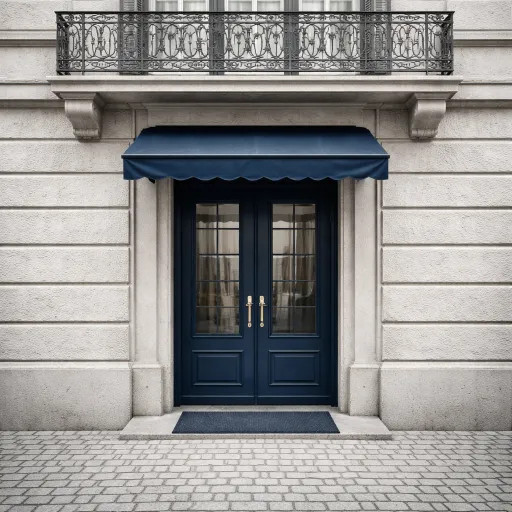
Tram 59 rattles along Alkotás utca, then the city suddenly opens into tree-lined avenues and villas with terraced gardens. Many buildings housing apartments here date from the early 20th century, with restrained façades and high ceilings rather than ostentatious ornament. You feel the residential character immediately ; this is not a district built around tourists, but around people who live and work in Budapest.
Hotels and serviced apartments are woven discreetly into this fabric. A Budapest apartment in Hegyvidék might occupy the upper floors of an elegant building on Németvölgyi út, while a more classic hotel Budapest property could be located closer to the main arteries leading down to the city centre. The result is a sense of staying in the capital Hungary as locals experience it, not in a visitor bubble. Streets are quieter at night, traffic is lighter, and parking Budapest logistics are generally less stressful than in the inner districts.
Culturally, the area leans towards the understated. Small art galleries, design studios and cafés cluster around side streets rather than grand boulevards. You will not find rows of souvenir shops, but you may stumble upon a courtyard housing art workshops or a tiny wine bar frequented by guest workers from nearby embassies. For many guest users of the city, that low-key authenticity is precisely the draw.
Types of stays: hotels versus apartments in Hegyvidék
Choice in Hegyvidék is less about sheer volume of hotels and more about style of stay. Traditional hotels tend to sit near main transport lines, offering straightforward access to the city centre and Buda. Expect classic room categories – standard, superior, family – with a focus on comfort and practicality rather than theatrical design. For travellers who like predictable services, daily housekeeping and a structured breakfast, these properties work well.
Serviced apartments and long-stay options are more scattered through the residential streets. A Budapest apartment here often comes with a separate living area, a proper kitchen and, in some cases, a small balcony facing the Buda Hills. For families, remote workers or guests staying a week or more, these apartments offer a sense of home. Some advertise apartment free extras such as basic cleaning or access to shared laundry rooms, which can matter more than a lobby bar when you settle in for longer.
The trade-off is clear. Hotels in Hegyvidék usually provide a more complete service structure – staffed reception, on-site breakfast, sometimes a small wellness area – while apartments offer privacy and space but fewer immediate services. If you plan to be out in Budapest city all day and simply need a quiet, efficient base, a hotel room is often the better choice. If you want to cook, host friends or work from a large table with views of the hills, apartments win.
Location, access and getting around from Hegyvidék
From Széll Kálmán tér, one of Buda’s key transport hubs, Hegyvidék rises south and west into the hills. Many properties are located within a 10 to 20 minute walk of tram or bus stops that link directly to the city centre on the Pest side. Metro line M2 at Déli railway station is a common reference point ; from there, you can reach the inner city in a few stops, while taxis and ride-hailing services cover the last stretch up into the district.
For guests arriving by car, Hegyvidék can be more forgiving than central Budapest. Streets are wider, and free parking or at least easier parking Budapest options are more common than around the Danube embankment. Some hotels include free parking in their room packages, a detail worth checking carefully before you book. If you see “parking included”, verify whether it is a private garage, a reserved outdoor space or simply access to public street parking with a permit.
Walking conditions are pleasant but not flat. Expect slopes, staircases and occasional steep segments, especially as you approach the Buda Hills. A hotel located lower down the hill will make it easier to walk to tram lines and back, while a property higher up rewards you with wider views over Budapest, Hungary. When you check availability, look closely at the map rather than relying on distance alone ; a “10 minute walk” on paper can feel longer on an incline.
Services, breakfast culture and what to expect inside
Mornings in Hegyvidék hotels tend to be unhurried. Breakfast is usually served in a dedicated dining room rather than a grand hall, with a mix of continental staples and Hungarian touches – think cold cuts, local cheeses, seasonal vegetables, perhaps a slice of mákos bejgli in winter. Do not expect the theatrical buffets of large city centre properties, but do expect a quieter, more residential atmosphere where staff recognise returning guests after a day or two.
Room design often reflects the district’s practical, understated character. Many hotels favour neutral palettes, solid beds and functional desks over statement pieces. In some properties, upper floors offer partial views towards the Buda Hills or across the roofs of buildings housing apartments and embassies. When you read hotel reviews, pay attention to comments about sound insulation and bed comfort ; in a calm district like Hegyvidék, those details define the quality of your stay more than lobby spectacle.
Service culture is generally warm but discreet. Staff are used to a mix of business travellers, medical tourists visiting nearby clinics, and leisure guests who prefer a quieter base. If you value privacy, this works in your favour. If you expect a concierge-style experience with extensive restaurant bookings and curated art gallery itineraries, you may need to plan more of your Budapest city programme yourself.
Who Hegyvidék suits best – and when to choose another district
Travellers who already know Budapest often gravitate towards Hegyvidék on their second or third visit. They have seen the Parliament building, walked Andrássy út, and now want to experience the capital Hungary from a more local vantage point. For couples seeking calm evenings, families needing space, or long-stay guests combining work and leisure, the district’s rhythm is ideal. The presence of schools, parks and everyday shops reinforces the feeling of living in the city rather than passing through it.
First-time visitors with only one or two nights in Budapest may find a hotel closer to the city centre more efficient. If your priority is to walk out of your lobby straight onto the Danube promenade or into the historic streets of Buda Castle, Hegyvidék will add commuting time each day. The district is not designed around nightlife ; bars and late-opening venues are limited, and most streets fall quiet by late evening.
Think of Hegyvidék as a base for a certain style of trip. You spend your days exploring Budapest city – from the grand museums to smaller art galleries housing contemporary Hungarian work – then return to a residential hillside for rest. If that balance appeals more than constant stimulation, this district is a strong candidate when you check availability for your next hotel Budapest stay.
How Hegyvidék compares with other Buda areas
Compared with the riverside quarters of Buda, Hegyvidék feels more inward-looking. You do not stay here for Danube views ; you stay for tree canopies, garden walls and the slow shift of light on the slopes of the Buda Hills. The architecture is less monumental than in the castle district, but many streets are lined with elegant buildings from the interwar period, now carefully maintained and often converted into apartments or small offices. It is a district that whispers rather than shouts.
Neighbouring areas closer to the river offer quicker access to major sights but also more traffic, more tour groups and fewer opportunities for free parking. In Hegyvidék, you are slightly removed from the postcard Budapest, Hungary, yet still connected enough to reach it easily by tram or taxi. For some guests, that distance is a disadvantage ; for others, it is the very definition of luxury. You return each evening to a different tempo, a different soundscape.
When you compare options, frame the choice clearly. Hegyvidék is better for longer stays, car travellers and those who value residential calm, while riverside Buda excels at immediate access to landmarks and atmospheric evening walks along the Danube. Both are part of the same capital, but they offer distinct ways of inhabiting Budapest city. Decide which rhythm matches the trip you have in mind before you book.
Is Hegyvidék a good area to stay in Budapest for first-time visitors ?
Hegyvidék can work for first-time visitors who prioritise calm, space and a residential feel over instant access to major sights. If you have three or more days in Budapest and do not mind using trams, buses or taxis daily, the district offers a gentle introduction to the city. For very short stays focused on landmark-hopping, a more central district is usually more practical.
How long does it take to reach the city centre from Hegyvidék hotels ?
Travel time from Hegyvidék to the inner city typically ranges from 15 to 30 minutes, depending on your exact location and chosen transport. Properties closer to Déli railway station or main tram lines reach the city centre faster, while hotels higher in the hills require a short bus or taxi ride before you connect to the metro. Always check the nearest stop and typical journey time rather than relying only on distance.
Is parking easier in Hegyvidék than in central Budapest ?
Parking is generally easier in Hegyvidék than in the dense inner districts of Budapest. Many streets have more available spaces, and some hotels or apartments offer free parking or private spots. However, conditions vary by street, so it is important to confirm whether parking is on-site, in a garage or on public roads before you finalise your booking.
Are there restaurants and cafés within walking distance in Hegyvidék ?
Most parts of Hegyvidék have a reasonable selection of neighbourhood cafés, bakeries and restaurants within a short walk, especially along main streets and near transport hubs. The offer is more local than touristic, with everyday Hungarian cooking, coffee bars and a few contemporary spots. For a wider choice or late-night venues, you will likely head down towards central Buda or across the river to Pest.
Who should avoid staying in Hegyvidék ?
Travellers who want to be in the middle of Budapest’s nightlife, or who dislike using public transport, may find Hegyvidék too quiet and slightly removed. If your ideal stay involves stepping out of your hotel into busy streets, bars and late-opening venues, a central district on the Pest side or near the Danube will suit you better. Hegyvidék is designed for guests who welcome a slower, more residential rhythm.