Accommodation Budapest: choosing the right district for a business base
Accommodation Budapest decisions start with one question: which district matches your working rhythm. The city stretches along the Danube, and each area offers a different balance between boardroom efficiency and after-hours atmosphere for guests who expect more than a standard star hotel. Think of the capital as a series of compact neighborhoods where you can step out of a meeting and into a thermal bath, a Michelin-starred restaurant, or a quiet riverside promenade within minutes.
For many executives, District V in central Budapest is the natural stay Budapest base because it concentrates major banks, ministries, and international offices. This inner-city strip between the river and the grand boulevards hosts several of the best hotels Budapest can offer for corporate travelers, including Four Seasons Hotel Gresham Palace, The Ritz-Carlton Budapest, and Budapest Marriott Hotel, all within walking distance of the city center business cluster. Here you can find a hotel Budapest option where the lobby bar doubles as an informal meeting room, and where previous reviews from frequent flyers consistently highlight reliable Wi-Fi, attentive concierges, and late check-out flexibility.
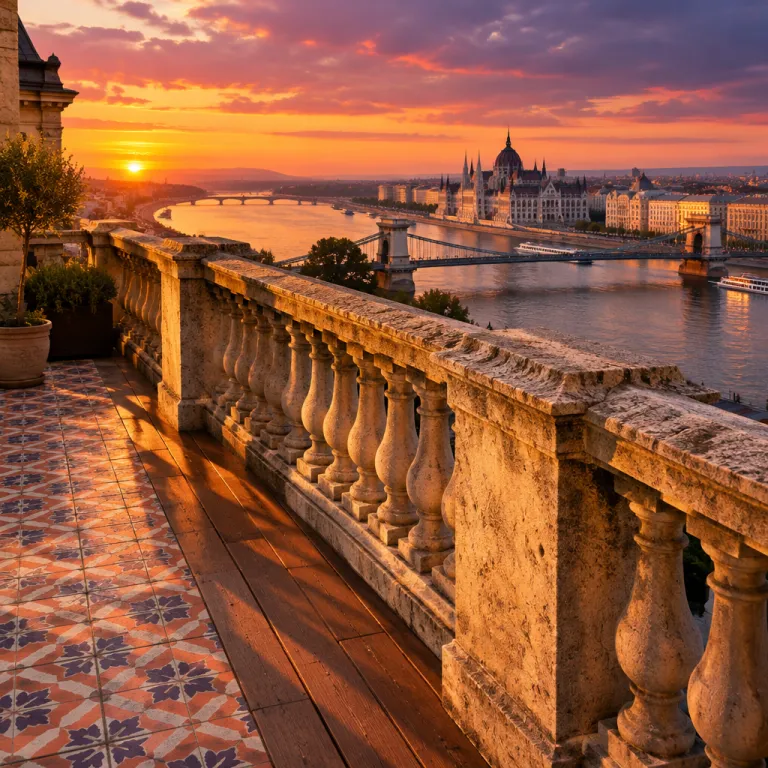
Across the river, the Castle District on the Buda side suits travelers who prefer a quieter neighborhood without losing access to the centre. Luxury hotels near Buda Castle offer panoramic views and a calmer atmosphere, while public transport links and taxis still bring you to the inner-city conference venues in under twenty minutes during a good traffic window. This area works especially well if you extend your stay and want to blend early morning walks through cobbled streets with afternoon sessions at the Budapest Congress Center or private Budapest tours arranged directly from your hotel.
District V and the inner city: where business infrastructure meets river views
In accommodation Budapest terms, District V is the power corridor where business travelers can compress commuting time to almost zero. The inner-city grid between the Danube and the grand boulevards holds a dense concentration of embassies, law firms, and high-level corporate offices, which makes it the best area for those whose schedule runs from breakfast briefings to late client dinners. Staying here means you can walk from your hotel Budapest base to most boardrooms, then return to change for an evening along the river without ever calling a taxi.
Several luxury hotels in this district are designed around the complete business day, from pre-conference coffee to post-meeting spa. The Budapest Marriott Hotel, InterContinental Budapest, and Four Seasons Gresham Palace line the riverfront, offering rooms where guests can work with Danube views and reach the Budapest Convention Centre or major MICE venues by short car rides. These properties often receive reviews that highlight good soundproofing, efficient check-in for late arrivals from Budapest Airport, and executive lounges that actually serve proper breakfast rather than a token pastry.
Behind the riverfront, the streets around Deák Ferenc tér and the city center shopping spine host more star hotel options that balance business practicality with leisure access. Here you are a short walk from St Stephen Basilica, Andrássy Avenue, and the main metro interchange, which keeps public transport times to meetings across the city low. For a deeper look at how Budapest positions itself on the global corporate travel map, the analysis in this World Tourism Day hotel market overview is particularly relevant for frequent conference attendees.
Jewish Quarter and Andrássy Avenue: where work nights turn into late nights
Accommodation Budapest choices in the Jewish Quarter and along Andrássy Avenue appeal to travelers who want their hotel to sit between meeting rooms and nightlife. This area, officially District VII and parts of District VI, has evolved from a residential neighborhood into a dense grid of restaurants, wine bars, and design-forward hotels that still keep you close to the city center. For many guests, it offers the best compromise between a serious work base and a good address for entertaining colleagues after the last slide deck closes.
Staying near Andrássy Avenue places you on Budapest’s grandest boulevard, lined with embassies, theatres, and high-end retail. Here you can find luxury hotels that offer quick metro access to the inner city and the Budapest Congress Center, while also sitting within walking distance of the Opera House and several Michelin-listed restaurants. Reviews from previous business travelers often mention how easy it is to host clients for dinner nearby, then return to a quiet room that feels far from the city’s louder nightlife areas.
In the Jewish Quarter itself, the atmosphere shifts once you cross into streets filled with ruin bars and late-opening eateries. Some hotels here lean into the creative energy, which can be a great fit if your work involves media, tech, or the arts, and you value informal networking over formal boardrooms. To plan a refined off-duty program from this neighborhood, including key sights and curated Budapest tours, the guide to essential things to see in Budapest for a city stay helps you structure those precious free hours between sessions.
Castle District and Buda side: quiet stays with heritage and spa access
For executives who prefer their accommodation Budapest experience to end the day in silence rather than in a lobby bar, the Buda side offers a different rhythm. The Castle District, perched above the river, feels almost like a separate town, with cobbled streets, historic façades, and views that stretch across the entire city center skyline. Choosing a hotel here means trading immediate proximity to every meeting room for a calmer neighborhood that still connects efficiently to the inner city by taxi or public transport.
Luxury hotels near Buda Castle often emphasize heritage architecture and discreet service, which suits guests who value privacy and unhurried evenings. Rooms tend to be more spacious than in some inner-city properties, and many star hotel options include wellness areas where you can unwind after a day at Hungexpo or the Budapest Convention Centre. Reviews from previous corporate travelers frequently praise the ability to host small strategy sessions in quiet lounges, then step outside for a short walk around the castle walls before dinner.
Further south along the Buda riverbank, several hotels sit closer to the Budapest Congress Center and major office parks, making them practical for conferences that do not use the traditional city center venues. These areas may feel less atmospheric than the Castle District, but they deliver good access to both meeting spaces and major roads to Budapest Airport, which matters when your schedule leaves no margin for missed flights. If you extend your stay into the weekend, you can easily cross the river for curated cultural experiences, such as those described in the feature on how the Budapest Autumn Festival transforms a hotel stay into a deeper immersion.
Airport access, public transport, and the reality of commuting times
Any serious accommodation Budapest strategy for business travelers must factor in the journey between Budapest Airport and the hotel door. The airport sits around 22 kilometers from the city center, and travel times vary sharply depending on traffic, time of day, and whether you use taxis, ride hailing, or private transfers. For early morning departures or late arrivals, many guests prefer hotels on the Pest side with direct access to main boulevards, which shortens the drive without sacrificing a central neighborhood.
Within the city, public transport is a reliable backbone for moving between districts when schedules allow. The metro, trams, and trolleybuses connect the inner city, the Jewish Quarter, Andrássy Avenue, and the Castle District with predictable frequency, which can be a great backup when traffic slows to a crawl. Business travelers who stay near major hubs such as Deák Ferenc tér or Kálvin tér often report in reviews that they can reach meetings faster by tram than by taxi during peak hours; for example, the ride from Deák Ferenc tér to the Budapest Congress Center via tram and bus can take around twenty-five minutes door to door in rush-hour conditions.
For conferences at Hungexpo or venues outside the traditional centre, commuting times become a decisive factor in choosing between hotels Budapest offers in different areas. Some star hotel properties provide shuttle services to major events, while others work closely with car services to guarantee fixed-rate transfers that remove uncertainty from your schedule. When you evaluate reviews and enthusiastic comments about location, look for specific mentions of door-to-door travel times to your primary venue rather than generic praise of being in the city center.
How to read hotel reviews and match them to your working day
Accommodation Budapest research for business trips should go beyond star ratings and glossy photos. The most useful reviews come from previous guests who describe how the hotel performed across a full working day, from pre-breakfast emails to late-night returns from client dinners. When you scan feedback, focus on patterns rather than isolated complaints, especially around Wi-Fi reliability, noise levels, and the responsiveness of the front desk team.
For luxury hotels that market themselves as the Budapest best options for corporate travelers, pay attention to how often reviewers mention specific services. Comments about early check-in after overnight flights from the United States, efficient laundry turnaround, or flexible meeting room setups tell you more than generic praise about a great view. Particularly strong reviews that highlight staff who remember your coffee order or proactively arrange airport transfers usually signal a property that understands repeat business needs.
It also helps to map reviews against the neighborhood reality of each hotel Budapest address. A property in the inner city might receive top marks for location, but if multiple guests mention weekend noise from nearby bars, it may not suit light sleepers with early presentations. Conversely, a quieter area near Buda Castle or along Andrássy Avenue might score slightly lower for nightlife but deliver the best hotels experience for those who value rest and reliable service over being in the loudest part of the city.
Planning the bleisure extension: turning two extra days into real value
For many executives, the real strength of accommodation Budapest lies in how easily a work trip can stretch into a short leisure stay. Two extra nights in the same hotel can transform a functional business visit into a deeper relationship with the city, especially when your base sits within walking distance of major sights. The key is to choose hotels Budapest offers that work both as efficient weekday bases and as comfortable weekend retreats.
Properties near the riverfront in the city center or around St Stephen Basilica are particularly well placed for this dual role. During the week, you benefit from quick access to offices, conference venues, and public transport, while on the weekend you can stroll to Buda Castle, cross the Chain Bridge, or join curated Budapest tours without ever needing a car. Many luxury hotels offer weekend packages or late Sunday check-outs, which can make the cost of extending your stay surprisingly competitive compared with booking a separate leisure trip.
When you plan a bleisure extension, consider how the hotel’s spa hours, restaurant quality, and concierge connections align with your personal interests. A star hotel with a late-opening wellness area allows you to unwind after both meetings and museum visits, while a concierge who knows the city’s contemporary galleries and wine bars can shape a program that feels tailored rather than generic. In a city where the best hotels understand that business and leisure now blend seamlessly, choosing the right accommodation Budapest option becomes less about a single night and more about how the entire stay supports your work and your downtime.
Key figures that shape the business travel hotel scene in Budapest
- Budapest Ferenc Liszt International Airport handled more than 16 million passengers in the last pre-pandemic year, which underpins the city’s growing role as a regional hub for conferences and corporate events (data from Budapest Airport Zrt.).[1]
- The average hotel occupancy rate in Budapest has often exceeded 70 percent in peak months, a level that signals strong demand from both leisure and business segments and encourages continued investment in new luxury hotels (figures from the Hungarian Central Statistical Office).[2]
- Conference and meeting tourism accounts for an estimated 20 to 25 percent of total tourism revenue in Budapest, highlighting how important MICE travelers are for the best hotels that invest heavily in meeting spaces and executive services (industry estimates from the Hungarian Tourism Agency).[3]
- Public transport coverage in the wider city includes four metro lines, more than thirty tram routes, and extensive bus networks, which allows many business travelers to reach key districts such as the inner city, the Jewish Quarter, and the Castle District within thirty minutes from most central hotels (Budapesti Közlekedési Központ data).[4]
FAQ about business travel accommodation in Budapest
Which district is best for business travelers who need central access ?
District V, the inner city along the Danube, is usually the best choice for executives who need to walk between offices, ministries, and major conference hotels. It offers a dense cluster of luxury properties, easy public transport connections, and quick taxi access to other central districts. Many international chains base their Budapest hotel operations here precisely because it serves as the city’s business and administrative heart.
How long does it take to reach central hotels from Budapest Airport ?
Travel time from Budapest Airport to most city center hotels ranges from thirty to forty-five minutes by taxi, depending on traffic and time of day. Pre-booked private transfers can be slightly faster and more predictable, especially during rush hours or when major events increase demand. Public transport options exist, but for business travelers with luggage and tight schedules, door-to-door car services remain the most efficient solution.
Are luxury hotels in Budapest suitable for hosting small corporate meetings ?
Many luxury hotels in Budapest are specifically designed to host small to medium-sized corporate meetings, with dedicated boardrooms, flexible conference spaces, and professional audiovisual support. Properties along the riverfront and near Andrássy Avenue often combine these facilities with strong catering teams and experienced event coordinators. When comparing options, ask for floor plans and sample meeting packages to ensure the space matches your group size and technical needs.
Is it worth extending a business trip in Budapest for leisure ?
Extending a business trip in Budapest by one or two nights usually offers excellent value, because you save on separate flights while gaining time to explore the city’s thermal baths, historic districts, and restaurant scene. Many hotels provide attractive weekend rates or loyalty program benefits that make the extra stay cost-effective. With most major sights concentrated within a compact centre, you can experience a surprising amount of the city in just forty-eight additional hours.
How should business travelers evaluate hotel reviews for Budapest stays ?
When reading reviews for Budapest hotels, focus on comments from guests who traveled for business and describe concrete aspects such as Wi-Fi stability, noise levels, and check-in efficiency. Repeated mentions of helpful staff, comfortable workspaces in rooms, and reliable airport transfers are strong positive indicators. Be cautious of properties where multiple previous guests highlight inconsistent service or significant noise issues, especially if you have early morning commitments.