World tourism day Budapest tourism and the luxury pivot
World tourism day Budapest tourism is no longer a niche topic for policy papers; it now shapes how high end travelers experience the city. As the United Nations World Tourism Organization, or UNWTO, uses each tourism day to frame the future of world tourism, Budapest quietly tests how a historic capital can welcome more guests without losing its soul. The city has moved from stag party shorthand to a serious luxury hotel market, and that transformation is visible in every new lobby along the Danube.
Budapest Hungary welcomed over 8.1 million guests recently, a figure that anchors its growing authority within the global tourism sector. International visitors now account for roughly 85 percent of overnight stays in the city, which means world tourism day Budapest tourism debates are not abstract but directly linked to your next check in. When UNWTO tourism panels talk about the potential contribution of sustainable tourism to urban life, Budapest is increasingly cited as a case study rather than a peripheral player.
The luxury pivot is clearest in the Upper Upscale and Luxury segments, which delivered more than 340 of the 990 new rooms opened in the city over the past twelve months. That shift in development strategy signals a deliberate move toward travelers who value service, space, and cultural context over volume discounts, and it also reflects a digital transformation in how these properties reach guests. On world tourism day Budapest tourism officials often highlight this transformation as part of a broader narrative about sustainable development, arguing that higher value stays can support local culture while easing pressure on crowded streets.
Compared with its Central and Eastern European peers, Budapest now records the highest occupancy among the CEE six capitals, yet its average daily rate still trails Vienna and Prague. This gap suggests that the city’s tourism sector retains pricing headroom, which will interest executives extending business trips into leisure stays. On each tourism day, UNWTO experts frame this as an opportunity raise awareness about how pricing, quality, and sustainable tourism can align in one city rather than pull in opposite directions.
World tourism day Budapest tourism conversations also focus on infrastructure, from airport expansion to the pipeline of more than 3,000 rooms under construction. These projects are not just about capacity ; they are about shaping the digital future of guest journeys, from biometric boarding to mobile room keys and AI driven concierge services. As digital technologies and other digital advances become standard, the city’s hotels must decide whether innovation digital will enhance the human warmth that defines Hungarian hospitality or quietly erode it.
Each september world tourism day brings a new theme from UNWTO, and Budapest September programming now mirrors those priorities with conferences, exhibitions, and curated tours. In this context, world tourism day Budapest tourism is both a celebration and a stress test for the city, revealing how well policy, investment, and local expectations align. For travelers, it is a useful lens to read the news world about Budapest Hungary and to understand why certain neighborhoods feel suddenly more polished, more international, and more expensive.
District V to XIII: where world tourism day meets the riverfront
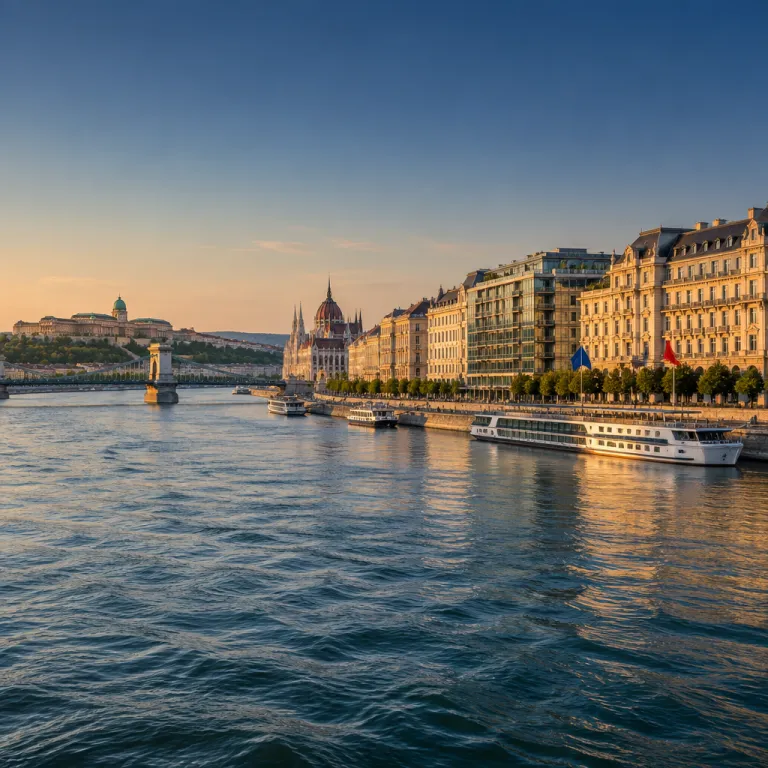
Stand on the Chain Bridge at sunset and you see why world tourism day Budapest tourism narratives often open with the Danube. On the Pest side, District V has become the city’s calling card for the world, with heritage façades hiding some of the most polished luxury rooms in Central Europe. This is where the tourism sector first tested how far it could push rates while still feeling like a fair exchange for river views and concierge teams who know every gallery opening.
In District V, sustainable tourism is less about rustic charm and more about how large properties manage flows of guests through a compact historic grid. Hotels here increasingly use digital technologies to stagger check in times, promote walking routes, and highlight local restaurants rather than funneling everyone to the same river cruise tour. On tourism day panels, city planners often cite this district as proof that digital transformation can support sustainable development when it is tied to real time data and local partnerships.
Walk north into District XIII and the mood shifts from imperial to residential, yet the luxury offer is quietly expanding along the river. This area has become a laboratory for innovation digital in hotel design, with properties experimenting with contactless services, app based wellness programs, and curated jogging routes along the Danube promenade. For executives who will spend mornings in meetings downtown and evenings in calmer surroundings, this district offers one of the most balanced places to stay in Budapest Hungary.
World tourism day Budapest tourism events in these riverfront districts often include architecture walks that trace the city’s transformation from Habsburg outpost to contemporary capital. Such events raise awareness of how each new hotel’s potential contribution extends beyond room count, influencing street level retail, café culture, and even public transport patterns. When UNWTO tourism experts talk about sustainable tourism in urban settings, they frequently point to these mixed use blocks where residents and guests still share the same bakeries and tram stops.
September world tourism day programming also highlights the role of gastronomy in the city’s development, and District V now hosts some of the most interesting Asian restaurants within walking distance of major hotels. If you want a curated overview of this scene, look at this guide to Budapest’s new Asian dining wave, which maps where hotel guests actually eat between meetings and opera performances. These culinary tours, whether formal or self guided, turn the abstract language of world tourism into something you can taste on a Tuesday night.
On day Budapest celebrations, local guides often lead small group walks that connect the riverfront hotels with lesser known streets in District XIII. Such tours are designed to raise awareness of the city’s layered history while also spreading visitor spending beyond the postcard views, a key goal for sustainable development. For travelers, this means that world tourism day Budapest tourism is not just a date on the calendar but a set of curated opportunities to see how the city really works behind the riverfront glamour.
From the Castle District to District VII: heritage, nightlife, and hotel choices
On the Buda side, the Castle District offers the clearest view of how world tourism day Budapest tourism themes play out in real streets. Cobblestone lanes, baroque façades, and the Matthias Church skyline attract tour groups by the coachload, yet a handful of luxury properties have managed to keep a residential calm. Here, sustainable tourism means limiting vehicle access, promoting walking routes, and ensuring that hotel terraces feel like part of the neighborhood rather than a stage set for the world.
UNWTO tourism discussions about heritage cities often use examples like this, where the tourism sector must balance preservation with the need for economic development. Hotels in the Castle District increasingly rely on digital advances to manage this balance, from timed spa bookings to digital concierge platforms that steer guests toward less crowded viewpoints at off peak hours. On tourism day, local authorities highlight these tools as evidence that digital transformation can support both guest satisfaction and the long term protection of fragile streetscapes.
Cross back to Pest and head into District VII, the historic Jewish Quarter, and you encounter a different face of world tourism. This is the neighborhood of ruin bars, street art, and late night energy, where world tourism day Budapest tourism debates about noise, waste, and resident fatigue feel very immediate. Luxury and premium hotels have begun to appear on the edges of this district, promising guests proximity to nightlife with just enough distance for sleep.
For travelers, the key question is whether these properties contribute to sustainable development or simply monetize the area’s reputation. Some hotels now partner with local guides for small group tours that focus on synagogues, courtyards, and family run bakeries rather than only on bars, a shift that aligns with UNWTO’s emphasis on sustainable tourism and cultural respect. These curated experiences raise awareness of the district’s layered history and show how the potential contribution of each guest night can extend beyond drink menus.
World tourism day Budapest tourism programming in District VII often includes food and wine events, which is where the city’s hotel sommeliers quietly shine. If you want to move beyond the usual Tokaji clichés, consult this insider guide to Hungarian wine beyond Tokaji before you sit down in your hotel bar. Such resources help you turn a standard drink into a small act of cultural engagement, reinforcing the idea that world tourism is built on thousands of individual choices rather than grand speeches.
In both the Castle District and District VII, september world tourism day serves as a reminder that the city’s future will depend on how well it integrates residents’ needs with visitors’ expectations. Hotels that use digital technologies to support quieter streets, better waste management, and more meaningful local connections are likely to thrive as regulations tighten. For guests, choosing these properties is one of the most direct ways to align your stay with the values discussed every tourism day in conference halls across Budapest Hungary.
Digital futures, airport expansion, and how to book like an insider
World tourism day Budapest tourism conversations increasingly revolve around the city’s digital future, from airport biometrics to hotel revenue management systems. Budapest’s main airport expansion and the pipeline of more than 3,000 rooms under construction signal that the city will continue to climb the global rankings for arrivals. The question is whether this growth will translate into better experiences for high end guests or simply more crowded check in lines and longer taxi queues.
UNWTO tourism frameworks encourage cities to treat digital transformation as a tool for sustainable development rather than an end in itself. In Budapest, that means using digital technologies to spread arrivals across the day, promote public transport from the airport, and support local businesses through targeted recommendations rather than generic advertising. When world tourism day panels talk about innovation digital, they increasingly highlight case studies where hotels share anonymized data with city planners to improve everything from tram frequency to waste collection.
For travelers, the most tangible impact of these digital advances appears in how you book and manage your stay. Luxury properties in Budapest now offer pre arrival questionnaires, app based room controls, and real time messaging with concierges, all of which can raise awareness of local events and exhibitions that match your interests. If you want a structured way to navigate this landscape, consult this detailed guide on how to book Budapest’s luxury hotels like an insider before you lock in your dates.
World tourism day Budapest tourism also shines a light on policy experiments, such as restrictions on short term rentals designed to protect residential life. These measures create new opportunities for hotels that can demonstrate a clear potential contribution to neighborhood stability, whether through local hiring, cultural programming, or partnerships with nearby galleries and cafés. For guests, choosing such properties is one of the simplest ways to ensure that your presence in the city supports the kind of sustainable tourism that UNWTO advocates each day world leaders gather to talk about travel.
Looking ahead, Budapest September will likely remain a focal point for world tourism debates, with conferences, festivals, and industry events clustered around tourism day. The city’s challenge is to ensure that these events do not become isolated spectacles but instead feed into year round practices that benefit residents and visitors alike. As you plan your next stay, treat world tourism day Budapest tourism not as a slogan but as a practical checklist : riverfront or side street, heritage view or nightlife edge, analog charm or fully digital journey.
In this evolving landscape, the most rewarding places to stay will be those that combine thoughtful design, attentive service, and a clear stance on sustainable development. They will use digital tools to enhance, not replace, the human touch, and they will treat every guest as a partner in the city’s long term transformation rather than a short term transaction. That is what world tourism, at its best, looks like when it moves from conference halls into hotel corridors and the streets just beyond the lobby doors.
FAQ
How does world tourism day affect hotel prices in Budapest?
World tourism day itself does not automatically trigger higher hotel prices in Budapest, but it often coincides with conferences, cultural events, and industry gatherings that increase demand. In years when major UNWTO tourism meetings or related forums are held in the city, premium properties near the Danube and in the Castle District can sell out earlier than usual. If you plan to stay around late September, book several weeks ahead and monitor flexible rates, especially in District V and along the riverfront in District XIII.
Which Budapest neighborhoods suit executive travelers extending a business trip?
District V remains the most practical base for executives, offering short transfers to key offices, river views, and easy access to cultural venues. For a quieter stay with strong transport links, District XIII along the Danube provides newer luxury properties and a more residential feel, while still keeping you within 10 to 15 minutes of the central business district. Travelers who want heritage surroundings and calmer evenings often choose the Castle District on the Buda side, trading a slightly longer commute for atmospheric streets and panoramic views.
How is Budapest addressing sustainable tourism in its hotel sector?
Budapest is gradually tightening regulations on short term rentals, encouraging visitors to shift toward licensed hotels that meet stricter safety and environmental standards. Many upscale properties now invest in energy efficient systems, digital technologies that reduce paper use, and partnerships with local suppliers to shorten supply chains. On world tourism day, city officials and hoteliers often present pilot projects on waste reduction, public transport promotion, and neighborhood engagement as part of a broader sustainable development strategy.
Is Budapest keeping up with digital transformation in hospitality?
The city’s leading luxury hotels have embraced digital advances such as mobile check in, keyless room entry, and app based concierge services. At the same time, many properties deliberately maintain traditional elements like staffed front desks and in person concierge teams to preserve the human touch that defines Hungarian hospitality. For guests, this means you can expect a hybrid experience : efficient digital tools where they add value, and attentive personal service where it matters most.
When is the best time in September to visit Budapest for both work and leisure?
Early to mid September usually offers warm weather, lighter crowds than peak summer, and a full cultural calendar, which suits executives adding leisure days to business trips. The week around world tourism day toward the end of the month can be busier with industry events, but it also brings special exhibitions, talks, and citywide programming that enrich a short stay. If you value quieter streets, aim for the first half of the month ; if you enjoy a denser schedule of events and do not mind more conference badges in the lobby, the second half can be particularly rewarding.