Budapest historic cafe coffeehouse culture as a blueprint for luxury stays
Budapest is one of the few European capitals where a historic cafe coffeehouse tradition still shapes how visitors move through the city. The grand coffeehouses that once hosted Hungarian writers, editors and chess players now quietly dictate how the best hotel lobbies feel, from ceiling height to the weight of the porcelain cup in your hand. When you plan a stay, think of each cafe in Budapest as both a sightseeing stop and a preview of the lobby experience your hotel is trying to emulate.
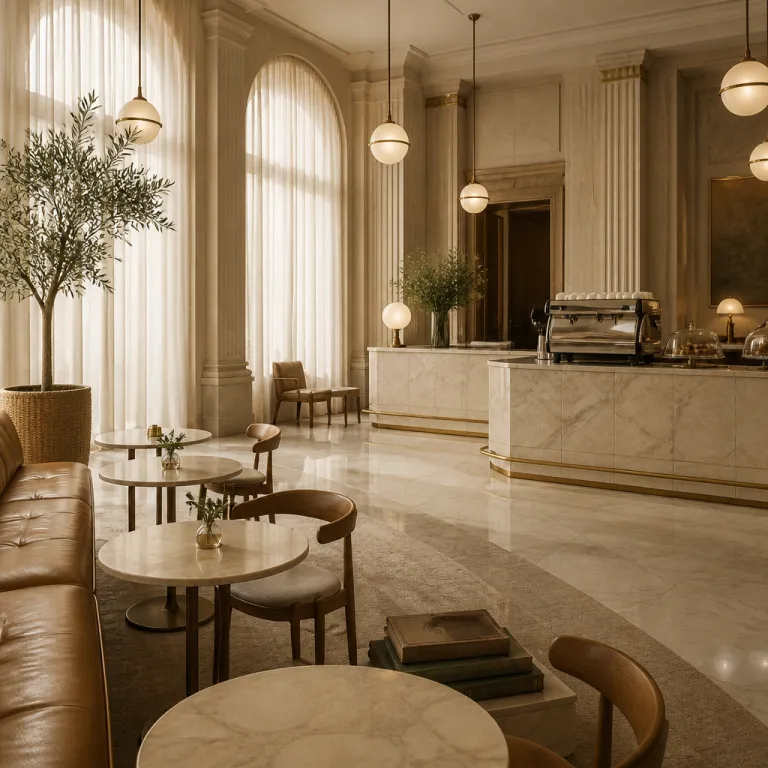
Walk into any of the great Budapest cafes and you immediately understand why hotel designers study them so closely. The classic coffee houses combine high ceilings, generous natural light and a ground floor layout that encourages lingering rather than rushing, which is exactly what a luxury lobby should do for a jet lagged guest. This is the essence of Budapest’s historic coffeehouse culture: not themed nostalgia, but a living template for how public spaces can feel both grand and intimate at the same time.
For travelers choosing between premium properties, paying attention to nearby cafes and coffee options is as useful as comparing room sizes. A hotel within a short walk of several historic cafes or newer coffee shops in Budapest gives you built in arrival rituals, working mornings and late night cake runs. Read the hotel map like a local would, tracing a triangle between your room, the nearest thermal bath and at least one grand cafe where you can sit with a strong coffee and a slice of Dobos cake while planning the rest of your day.
New York Café and the hotel lobby as theatre
The New York Café is the most famous cafe Budapest offers, and it sits on the ground floor of the Anantara New York Palace Hotel like a stage set. Marketed as the “most beautiful cafe in the world,” this New York cafe on Erzsébet körút 9–11 in District VII is a masterclass in how a historic coffeehouse can turn a hotel into a destination for both guests and locals. Gold leaf, frescoes and marble columns create a grand cafe atmosphere that many travelers now expect from luxury properties across Budapest.
Visitor numbers here are substantial, especially in peak season, which means the lobby level of this hotel functions more like one of the city’s busiest coffeehouses than a private guest space. The cafe Budapest experience at New York Café is intense: queues form, cameras rise and cakes parade past on silver trays, yet the hotel still manages to carve out quieter corners for residents. If you stay upstairs, time your visits for early morning or late evening, when the coffeehouse culture softens and you can actually hear the clink of porcelain over the background music.
From a design perspective, the Anantara shows how grand cafes and hotel lobbies can merge without losing their distinct roles. The New York Café itself is a public coffeehouse, while adjacent lounges and corridors subtly step down the drama for guests who want to read, work or sip Hungarian wine in peace after a day at the thermal baths or a walk up to the renovated fortress on Gellért Hill, as detailed in this guide to the Citadella’s long transformation. When you book, note that the official address places you on the Grand Boulevard, close to tram lines 4 and 6 and perfectly positioned between the city’s shopping axis and the old literary quarter around Astoria.
Centrál Grand Café, Gerbeaud and the literary DNA of hotel public spaces
Across the river in District V, Centrál Grand Café shows a quieter side of Budapest historic cafe coffeehouse life. This central cafe once served as the meeting point for the editorial team of Nyugat magazine, and from 1920 to 1943 it effectively became the living room of modern Hungarian literature. When the café reopened after extensive renovation in the early 2000s, it preserved the high windows, wooden chairs and generous table spacing that made it ideal for writers who needed both privacy and proximity.
That same balance now informs how nearby luxury hotels design their lounges and lobby bars, especially those courting guests who work remotely. You will notice echoes of this Centrál Grand layout in properties around Astoria and along Károly körút, where Budapest-style cafe seating encourages you to open a laptop, order a coffee and stay for hours without pressure. For solo travelers, these spaces function like internal coffee houses, offering the comfort of a cafe with the discretion of a hotel.
A short walk away on Vörösmarty tér 7, Gerbeaud Café anchors another axis of Budapest cafes, this time with a stronger focus on cakes and pastry craft. The Gerbeaud cafe, founded in the 19th century, is where you taste Dobos torta, Rákóczi túrós and rétes in their natural habitat, surrounded by chandeliers and polished wood that many hotels now reference in their own dessert counters and lobby patisserie corners. If you are planning day trips to nearby vineyards, pair your pastry stop with research using this guide to three wine regions within an hour of Budapest, then return to your room with a clear plan and perhaps an extra slice of cake boxed for later.
From Astoria to neighbourhood coffee shops: using cafes as your daily ritual
Astoria sits at a natural crossroads between the grand cafes of the inner city and the smaller neighbourhood coffee shops Budapest locals actually use every day. Around Astoria Café and the nearby streets, you will find a mix of historic cafes, student friendly coffee shops and new wave coffee houses that roast their own beans. This is where the Budapest historic cafe coffeehouse tradition meets contemporary espresso culture, and where many mid scale and luxury hotels quietly send guests who ask for somewhere less crowded than the big names.
For a solo traveler, structuring your day around these cafe coffee rituals turns the city into a series of elegant pauses. Start with a strong espresso and a simple cake at a central cafe near your hotel, then head to the thermal baths or a gallery before circling back for a late morning cappuccino and some time to read. In the afternoon, choose a beautiful cafe on a quieter side street, order a slice of Dobos cake or a seasonal fruit tart and watch how locals use the space as an extension of their living rooms.
Even in newer hotels, you will notice how lobby layouts borrow from this coffeehouse culture, with ground floor seating zones that feel more like living rooms than transit corridors. Designers reference art nouveau details, marble counters and soft lamp light to echo the atmosphere of historic cafes without copying them outright. When you evaluate a property, ask yourself whether the lobby invites you to linger with a book and a coffee the way your favourite cafe in Budapest does; if the answer is yes, you have likely found a place aligned with the city’s true rhythm.
How Budapest’s grand cafes shape modern hotel design and your booking choices
The revival of Budapest historic cafe coffeehouse spaces has not happened in isolation; it is part of a broader cultural project that links preservation with contemporary hospitality. Restoration of historic cafes, integration into luxury hotels and increased tourist interest all feed into a loop where coffeehouses become both heritage sites and active parts of the city’s daily life. This is why the most interesting new hotels, such as W Hotel Budapest in the former Drechsler Palace on Andrássy út, incorporate historic café elements into their lobby design rather than opting for anonymous minimalism.
Architects and hoteliers work with local government and cultural organizations to preserve original details while adding modern comfort. They use architectural preservation, interior design and careful marketing strategies to highlight how grand cafes and hotel lobbies now share the same goals: to enhance guest experience, preserve architectural heritage and keep coffeehouse culture alive. When you read about a property that mentions high ceilings, restored stucco and a lobby bar serving Hungarian cakes on porcelain, you are seeing the direct impact of this movement.
For you as a guest, the practical takeaway is simple yet powerful. Choose hotels whose public spaces feel like extensions of the city’s coffeehouses, then use nearby cafes and coffee houses as your personal network of satellite living rooms, workspaces and dessert stops. Pair those rituals with a deeper dive into local flavours through guides such as this piece on Hungarian wine beyond Tokaji, and your stay becomes less about ticking sights and more about inhabiting Budapest the way its writers, artists and chess players have done for generations.
Hidden gems: intimate coffeehouses and hotel corners that keep the tradition alive
Beyond the headline names like New York Café, Centrál Grand Café and Gerbeaud, the real depth of Budapest historic cafe coffeehouse life reveals itself in smaller venues. These are the places where writers still work at corner tables, where the staff know regulars by name and where the cakes arrive on simple plates rather than silver stands. Many sit on the ground floor of residential buildings or discreet hotels, with only a modest sign at the street address hinting at the warmth inside.
Look for neighbourhood grand cafes in districts VIII and IX, where art nouveau façades hide coffeehouses that have quietly reopened after long closures. Some of these historic cafes were once haunts for editors and actors, and while their fame never reached that of the New York Café or the Centrál Grand institutions, their atmosphere is often more conducive to reading and reflection. When you step into one, notice how the layout mirrors that of larger coffee houses, just scaled down: a central aisle, clusters of small tables, and a bar where cakes and coffee share equal billing.
Several modern hotels now carve out similar intimate corners within their own walls, effectively creating internal coffee shops that echo the feel of a beautiful cafe without the crowds. You might find a quiet library lounge with good coffee and a short cake menu, or a side room off the main lobby where natural light and comfortable chairs invite you to read for an hour between museum visits. These spaces, along with the independent cafes Budapest scatters through its residential streets, are the hidden gems that turn a standard city break into a layered, lived in experience.
FAQ
Which is the most famous historic café in Budapest ?
New York Café is renowned for its opulent architecture and literary heritage. It operates inside the Anantara New York Palace Hotel, where the cafe’s theatrical design strongly influences the character of the lobby and public spaces. For many visitors, this New York cafe is their first direct encounter with Budapest’s grand cafe tradition.
How have historic cafés influenced modern hotel designs in Budapest ?
Hotels incorporate classic café elements to enhance ambiance and attract guests. High ceilings, marble floors, generous natural light and art nouveau inspired details all come directly from the city’s historic cafes and coffeehouses. Many luxury properties now design their ground floor spaces to feel like elegant coffee houses where guests are encouraged to linger with a coffee or cake.
Are Budapest’s historic coffeehouses still operational for visitors ?
Yes, many have been restored and are open to the public. New York Café, Centrál Grand Café and Gerbeaud Café all welcome non resident guests, though queues can form at peak times. Visiting these coffeehouses offers a direct way to experience the atmosphere that now shapes the city’s best hotel lobbies.
How should a luxury traveler use cafés during a stay in Budapest ?
Use cafes as anchors for your daily rhythm, not just quick coffee stops. Start or end each day in a favourite cafe in Budapest, using the time to read, plan or simply watch local life unfold. Combining grand cafes with smaller neighbourhood coffee shops gives you a richer sense of the city than any checklist of monuments.
What pastries should I order to understand Hungarian café culture ?
Begin with Dobos torta, a layered sponge cake topped with caramel that appears on almost every traditional menu. Add Rákóczi túrós, a curd based cake with meringue, and rétes, the local take on strudel, to round out your tasting. Sampling these classics in both famous and lesser known cafe coffee spots reveals how seriously Budapest takes its cakes.