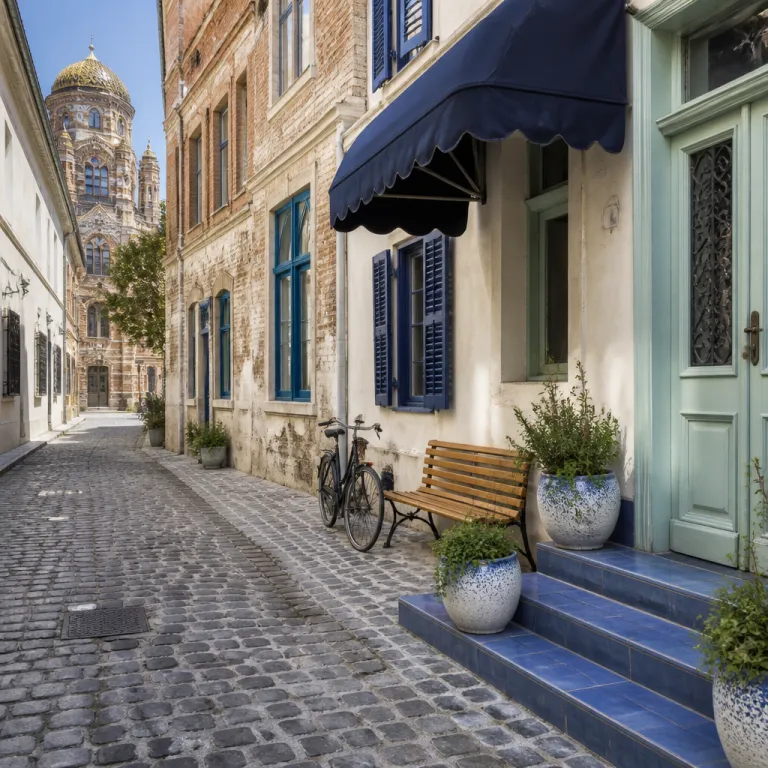
Why luxury travellers should walk Budapest’s Jewish Quarter
Budapest rewards the traveller who slows down on foot. A thoughtful walking tour of the Jewish Quarter turns a nightlife hotspot into a layered open air museum, where synagogue domes rise above street art and café terraces. For guests in luxury hotels, this neighbourhood stroll becomes an efficient way to understand how the Jewish community shaped the city and still animates daily life.
District VII, officially Erzsébetváros, sits on the Pest side and is compact enough to cross in under 20 minutes, yet its history stretches from the 18th century ghetto to today’s design led ruin bars. The area’s three major synagogues, intimate courtyards, and dense network of bars and restaurants mean a single walk can combine Jewish heritage, contemporary art, and some of the best food in Hungary. For high end travellers, the proximity of grand properties like Corinthia Budapest and refined smaller hotels on quieter streets such as Síp utca or Holló utca makes this quarter an ideal base.
Many visitors arrive for a ruin bar crawl and leave without understanding why this historic district matters to Budapest’s Jewish history. A curated route changes that, linking the Dohány Street Synagogue complex, the former ghetto wall fragments, and the Gozsdu Passage with calm pauses in cafés rather than only crowded bars. As one local guide summed it up on a recent half day Jewish Quarter walking tour Budapest guests joined, “If you only come for the bars, you miss the stories behind every doorway.” When you choose a hotel in this neighbourhood, you are also opting for front row access to some of the city’s most layered stories.
Designing a half day route from Dohány Street to Kazinczy
Start your Budapest Jewish Quarter exploration at the Dohány Street Synagogue (Dohány utca 2), which anchors the eastern edge of the neighbourhood. This vast street synagogue seats around 3,000 worshippers and forms a complex with the Hungarian Jewish Museum, the Tree of Life Memorial, and the Raoul Wallenberg Memorial Garden, where the Wallenberg Memorial honours the Swedish diplomat who helped save thousands of Jewish lives. Booking a timed ticket in advance is wise, especially if you prefer a quieter guided visit rather than joining a larger tour Budapest group at the gate.
From Dohány Street, step into the former ghetto, where fragments of the ghetto wall still stand behind residential courtyards and parking lots. A sensitive guide will help you read these modest bricks as part of Budapest’s Jewish history, connecting them to the wider story of the community established here in the 18th century. This is also where a well planned walking tour helps you balance reflection with comfort, weaving in shaded streets and café stops before you continue deeper into District VII.
Cross towards Rumbach Sebestyén utca to see the Rumbach Street Synagogue (Rumbach Sebestyén utca 11–13), then thread through courtyards toward Gozsdu Passage and Kazinczy utca. This sequence turns a simple quarter tour into a narrative arc, from monumental Dohány Street to the more intimate Kazinczy Street Orthodox Synagogue and finally the lively street food and bars nearby. As a rough walking time map, allow about 20 minutes from Dohány Street Synagogue through the former ghetto to Rumbach, another 10 minutes to Gozsdu Passage, and a final 5 to 10 minutes to Kazinczy utca, not counting museum visits or café breaks. For a broader city context that links Buda Castle to these ruin bars, pair this walk with a curated three day luxury itinerary from Buda Castle to the ruin bars.
The synagogue triangle and the architecture of memory
Any serious Budapest Jewish Quarter walking route revolves around the so called synagogue triangle. At one point in your walk, stand on a quiet street corner and realise that three very different synagogues lie within a few hundred metres, each expressing a chapter of Jewish heritage in Budapest. Together they form the architectural spine of District VII and give structure to your exploration of the neighbourhood.
The Dohány Street Synagogue, built in the mid 19th century, blends Moorish Revival flourishes with a basilica like layout more typical of a Christian church, a reflection of how the Jewish community once positioned itself within the city. A short walk away, the Rumbach Street Synagogue, designed by Otto Wagner, offers a more intimate octagonal space with exceptional acoustics that now hosts concerts and cultural events. Completing the triangle, the Kazinczy Street Orthodox Synagogue showcases Art Nouveau details and stricter religious traditions, reminding visitors that Jewish life in Hungary has never been monolithic.
Walking between these buildings, you move through streets where pre war apartment blocks, post war repairs, and contemporary art galleries coexist. This is where a knowledgeable guide can point out small plaques, former ghetto boundaries, and memorials that most casual tour Budapest groups stride past. For architecture lovers choosing a hotel, staying near this triangle pairs beautifully with a citywide design themed stay, such as those highlighted in this perspective on Art Nouveau bathhouses and design hotels in Budapest. When you review photos of the area, look for descriptive image alt text that mentions the synagogue triangle or specific façades so you can better visualise the route before you arrive.
From ruin bars to refined dining: where to eat and drink
Budapest’s Jewish Quarter is famous for its ruin bars, but a thoughtful neighbourhood walk treats them as one layer, not the whole story. The original ruin bar, Szimpla Kert on Kazinczy utca 14, still rewards an early evening visit when the courtyard is calmer and the eclectic art installations are easier to appreciate. At this hour, you can understand how a single venue helped transform abandoned tenements into a nightlife and cultural hub without letting the bars dominate your sense of the neighbourhood.
For travellers who prefer a more polished setting, reserve a table at Mazel Tov, a glass roofed courtyard restaurant on Akácfa utca that serves modern Middle Eastern food with a Hungarian twist. Here, attentive service, greenery, and soft lighting offer a different expression of Jewish heritage than the synagogues, one rooted in contemporary city life and hospitality. Around Gozsdu Passage and the surrounding streets, you will also find street food counters, wine bars, and cocktail spots that allow you to sample the best of Jewish Quarter flavours without committing to a full ruin bars crawl.
Luxury hotel guests often ask whether staying near so many bars means sleepless nights. The answer lies in choosing the right street, as one or two blocks can separate the party strip from calm residential corners where high end properties and discreet apartments sit. When you compare options, look for addresses slightly off Kazinczy or Király utca, where you can walk to Szimpla Kert or a favourite ruin bar in minutes, then retreat to a quiet room and a serious breakfast buffet the next morning. If you are sensitive to noise, ask your hotel to confirm whether windows are sound insulated and whether your room faces an inner courtyard or a nightlife focused street.
Where to stay: luxury bases for exploring District VII on foot
For travellers using a Jewish Quarter walking itinerary as the backbone of their stay, location matters as much as thread count. At the grand end of the spectrum, Corinthia Budapest stands just beyond District VII, close enough that you can reach Dohány Street Synagogue or Gozsdu Passage in about 10 to 15 minutes on foot. This position lets you dip into the neighbourhood’s bars and street food scene, then return to a spa, concierge desk, and room service that match international luxury expectations.
Inside the quarter itself, a new generation of premium hotels and serviced apartments has taken over former residential buildings on quieter streets. Properties on Síp utca, Holló utca, and the side streets off Király utca offer a balance between proximity to Jewish heritage sites and insulation from late night noise. When you review room types, pay attention to whether your space faces a courtyard or a main street, as this can make the difference between hearing the city’s bars until dawn and enjoying a peaceful night after a long walking tour.
Environmentally conscious travellers can also align their choice of hotel with the neighbourhood’s ongoing revitalisation, which blends preservation with modern comfort. Some higher end properties near District VII now emphasise energy efficient systems, local sourcing, and partnerships with cultural organisations that support the Jewish community. Before you finalise your booking, ask the hotel directly about current sustainability practices and whether they collaborate with local synagogues, museums, or memorial projects, or consult this guide to eco friendly hotels in Budapest where sustainability meets luxury before finalising your booking.
Practical tips for a meaningful Jewish Quarter walk
A well planned Budapest Jewish Quarter walk respects both the weight of history and the realities of city life. Start early in the day to experience the synagogues and former ghetto streets before the bars and tour Budapest groups fill the sidewalks. Wear comfortable shoes, carry water, and remember that some synagogue interiors and museum rooms can feel warm in summer, especially during longer guided tour sessions.
Synagogue visiting hours and ticket policies change occasionally, so check official websites or your hotel concierge before you set out. As a general guide, the Dohány Street Synagogue complex usually opens from late morning until late afternoon on weekdays, with combined tickets for the synagogue, museum, and Raoul Wallenberg Memorial Garden typically priced in the mid range for major European attractions. Many visitors choose a combined ticket that covers the Dohány Street Synagogue complex, the museum, and the Raoul Wallenberg Memorial Garden, then add a separate visit to the Rumbach Street Synagogue or Kazinczy Street Orthodox Synagogue. For the most accurate information on current opening hours, holiday closures, and ticket prices, rely on the official synagogue pages or a recent digital Budapest Jewish Quarter guide. If you prefer a more intimate experience than a large quarter tour, consider hiring a private guide who can tailor the pace, focus on specific aspects of Jewish heritage, and help you navigate quieter back streets.
Respectful behaviour matters throughout the neighbourhood, especially near memorials and residential courtyards that still house members of the Jewish community. Photography rules vary inside each synagogue, and modest dress is expected in active places of worship, even in a lively city like Budapest. As one local summary puts it, “What is the Jewish Quarter known for? Historic synagogues and vibrant nightlife.”
FAQ
Is Budapest’s Jewish Quarter safe for solo travellers at night ?
The Jewish Quarter in Budapest is generally considered safe, including for solo travellers walking between hotels, bars, and synagogues. Main streets around Gozsdu Passage, Szimpla Kert, and Dohány Street remain busy late into the evening, with a visible mix of locals and tourists. As in any city, stay on well lit streets, keep valuables secure, and ask your hotel for the best walking routes back after midnight.
How much time should I plan for a Jewish Quarter walking tour ?
A focused Budapest Jewish Quarter walk that includes the Dohány Street Synagogue complex, a section of the former ghetto wall, Gozsdu Passage, and Kazinczy utca typically takes three to four hours at a comfortable pace. This allows time for synagogue visits, short café breaks, and unhurried walking between sites. If you want to add more art galleries, extra ruin bars, or a longer lunch at Mazel Tov, plan for most of a day.
Do I need to book synagogue tickets and guided tours in advance ?
For the Dohány Street Synagogue, advance ticket purchase is strongly recommended, especially in peak seasons and on weekends. Smaller sites such as the Rumbach Street Synagogue and Kazinczy Street Orthodox Synagogue are usually less crowded, but checking opening hours and any special events before you go is wise. Many travellers book a guided tour online or through their hotel concierge to ensure access and context, then explore the surrounding streets independently afterward.
Can I visit the Jewish Quarter without joining an organised tour ?
Yes, the Jewish Quarter is easy to navigate on your own, and many travellers prefer a self guided walk using a map or digital Budapest Jewish Quarter guide. Streets are compact, public transport connections are strong, and most major landmarks are clearly signposted. That said, a knowledgeable guide can add depth by pointing out less obvious memorials, explaining the history of the ghetto wall, and suggesting quieter cafés away from the busiest bars.
Which area is best to stay in for exploring the Jewish Quarter on foot ?
For luxury travellers, staying near the edge of District VII offers the best balance between access and calm. Hotels around the Grand Boulevard, Király utca, and the streets just north of Dohány Street Synagogue place you within a short walk of key Jewish heritage sites, ruin bars, and restaurants. When you compare hotels, look for properties on side streets or with courtyard facing rooms to enjoy the neighbourhood’s energy without sacrificing sleep.