Citadella Budapest 2026 as a new lens on the city
The reopening of the Citadella on Gellért Hill quietly resets how demanding travelers read Budapest. From the glass bridge to the rewilded slopes, the renewed fortress shows how Budapest, Hungary now treats heritage as a living stage rather than a frozen museum of history. For guests choosing a luxury hotel, Citadella Budapest 2026 becomes a compass for where the city will invest its energy and its views.
For context, the Citadella is a nineteenth century stronghold atop Gellért Hill in Budapest. The site had deteriorated over time, and the Hungarian government partnered with heritage and urban planning organizations to restore the structure, expand green space and create new community areas that now fill the plateau with life. Structural restoration, landscape redesign and carefully integrated modern facilities mean the Citadella is planned to function as both a cultural landmark and a daily park for residents and visitors, as outlined in Hungarian government cultural heritage communications and the Citadella official information portal.
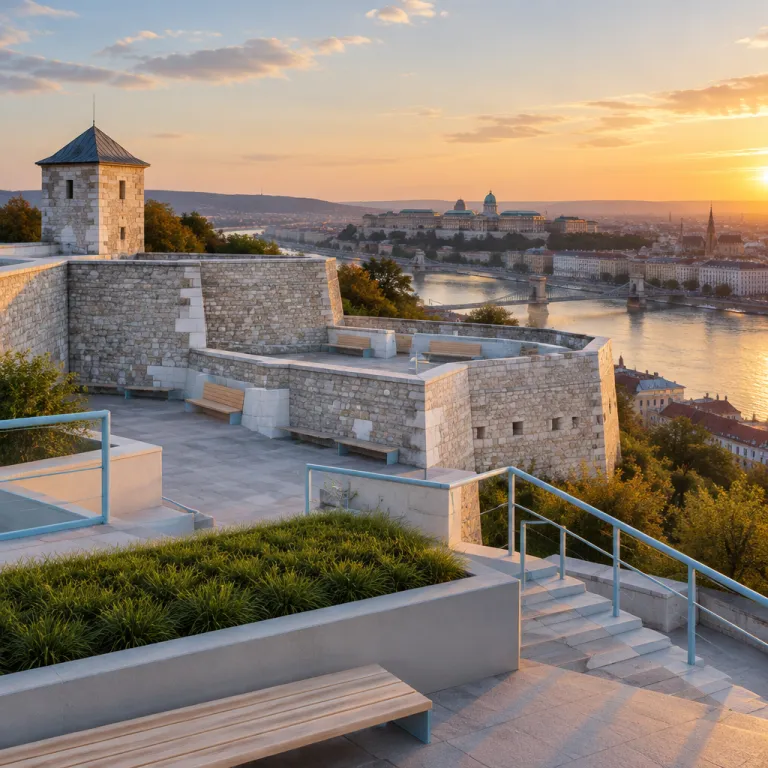
From the new terraces you read the city in layers: the Danube, the bridges, the rooftops of Pest and the wooded ridges beyond Buda. Panoramic views stretch from Buda Castle to Margaret Island, with the Liberty Bridge and Elisabeth Bridge framing the river like a slow moving exhibition of everyday Gellért Hill life. Those city views are not just pretty; they help you understand which hilltop Budapest hotel will give you sunrise light, which riverside address will glow at sunset and which streets will stay lively late into the night.
Luxury travelers planning time in Budapest, Hungary should treat Citadella Budapest 2026 as a reference point rather than a single tick box attraction. The renewed bastion of freedom on Gellért Hill signals that this side of the city is likely to attract more high end openings, more curated experiences and more thoughtful public spaces. If you care about staying ahead of the curve, you will want a room that looks toward this hill, not away from it.
From fortress to park: how the Citadella reshapes Gellért Hill
The most striking change on Gellért Hill is how the Citadella has shifted from closed military relic to open air living room. Official plans describe a large, eco friendly public park wrapping the citadel, with significantly expanded green space softening the stone bastions with native plants and shaded paths. For hotel guests who like to walk from lobby to landscape in under twenty minutes, this matters more than any museum ticket.
Paths now thread the hill’s Budapest facing side in gentle gradients, with barrier free routes that make the climb realistic even after a long flight. Lifts and step free entrances are being introduced so the Citadella can finally welcome travelers who once saw the hill only from a taxi window, and the new community spaces and café give you reasons to linger rather than rush back to the city. Benches are placed to frame the best panoramic views, turning every pause into an informal exhibition of the changing skyline.
On the southern flank of Gellért Hill, the Liberty Statue still anchors the skyline, but the narrative around liberty has deepened. Inside the rondella, The Bastion of Freedom exhibition walks you through Hungary’s struggle for freedom, connecting the statue of liberty above with archival film, objects and multimedia that fill the old casemates with voices. This interpretation project is documented in Hungarian government cultural heritage communications and Citadella planning materials.
For a solo traveler staying in a Danube side suite, this new parkland turns a quick photo stop into a half day ritual of walking, reading and watching the light change over Budapest. You might start at the Cave Church near the base of the hill, pause at a selfie point with carefully framed city views, then continue to a quieter terrace where a digital caricature artist sketches visitors as the sun drops. Afterwards, you can cross back over the Liberty Bridge and be at your hotel or on a wine focused day trip within minutes, especially if you follow a curated guide to three wine regions within an hour of Budapest that many hotels now share with guests.
Glass bridge, bastions and the new language of freedom
The centrepiece of Citadella Budapest 2026 is the pedestrian glass bridge that arcs between bastions like a sheet of light. Few European cities have dared to suspend visitors above their own history this way, and the Budapest Liberty project has used the gesture to link the old stone bastion of freedom with a new, transparent reading of the past. Step onto the bridge and the city falls away beneath you, replaced by a floating corridor of reflections and sky.
From here the panoramic views are almost cinematic: Buda Castle sits to one side, the Parliament to the other, and every bridge between them becomes a chapter in the story of Budapest, Hungary. At certain angles the Liberty Statue aligns with the glass, creating a layered image of statue, city and river that feels like a curated exhibition rather than a casual selfie point. It is here that the phrase Budapest Citadella finally makes sense as more than a line on a map, because you feel the fortress as both defensive work and viewpoint.
Inside, The Bastion of Freedom exhibition uses the thick walls of the citadel to chart how Hungarians have negotiated liberty and control over time. Archival photographs, personal testimonies and carefully lit objects fill the former gun emplacements, while digital stations invite you to pause and reflect rather than rush for the next view. The result is that the Citadella will no longer be remembered only for its city views, but for the way it frames freedom as a lived, sometimes fragile experience.
Outside, new terraces and bastion liberty platforms have been designed as calm stages for sunset rather than crowded lookouts. As the light fades, the Gellért Hill skyline glows, and you can watch the Statue of Liberty silhouette sharpen against the sky while boats trace slow lines of light along the Danube. When you descend, you might choose a riverside dinner in a restored Belle Époque palace food hall, such as the one explored in depth in a feature on Time Out Market’s arrival in Budapest, before returning to your hotel with the sense that the city has quietly raised its game.
Where to stay: luxury hotels that align with Gellért Hill
For travelers using Citadella Budapest 2026 as a north star, the smartest stays cluster along the Buda riverbank and the lower slopes of Gellért Hill. Properties here give you walking access to the hill, quick tram links across the Liberty Bridge and quieter streets than the party heavy quarters of Pest. The trade off is fewer late night bars on your doorstep, but far better sleep and faster access to sunrise on the citadel.
At the foot of the hill, the historic Gellért thermal complex is being reimagined as Mandarin Oriental Gellért, Budapest, a luxury property announced in official press releases from Mandarin Oriental Hotel Group. Plans describe around 140 guest rooms and suites and a spa that will draw on the thermal heritage that has always defined this side of the city. Guests here will step from grand lobby to Gellért Hill paths in minutes, turning the Citadella into a pre breakfast walk rather than a half day excursion, and the hotel is expected to anchor the new high end identity of the quarter.
Further north, riverside palaces and contemporary conversions offer Danube views with easy tram access back to the Budapest side of the hill. When comparing options, a Danube view suite in Buda is better for quiet, residential charm and fast access to Gellért Hill, while a design forward address in District V excels at architecture, dining and nightlife, as explored in depth in a guide to how Budapest’s hotels reimagine the city’s architecture from Klotild Palace to Kazinczy lofts. Either way, you should check walking times to the Liberty Bridge and the lower Gellért slopes before you book.
Solo travelers who value culture over clubbing will appreciate how this part of Budapest balances heritage and everyday life. You can spend the morning at the Citadella, the afternoon in a thermal bath where chess players have been soaking since your grandfather’s time, and the evening in a quiet wine bar that pours bottles from nearby regions you might visit the next day. The citadel will become less a one off sightseeing stop and more a familiar silhouette you greet from your hotel window each night.
Hidden angles, digital details and how to read the hill
Citadella Budapest 2026 is not only about grand gestures; it is also about small, almost hidden details that reward repeat visits. Along the paths you will find discreet selfie point markers where the framing of the city views has been carefully considered, avoiding the clutter of railings and signage. These are the spots where a quick experience selfie can feel like a magazine spread rather than a rushed snapshot.
Some terraces host digital installations that overlay historical images onto the present skyline, letting you slide between past and present Budapest with a fingertip. Artists occasionally offer digital caricature portraits that place your silhouette against the Liberty Statue or the curve of the Liberty Bridge, turning a classic Gellért Hill view into a personal memento. These touches speak to a younger, more connected audience without turning the citadel into a theme park.
To read the hill properly, give yourself time rather than racing from statue to statue. Start on the riverbank, look up to the citadel and trace your route mentally, noting how the city wraps around the base of Gellért Hill and how Buda Castle anchors the opposite ridge. As you climb, pause often, not only for the panoramic views but to feel how the noise of Budapest, Hungary falls away and the wind off the Danube fills the trees.
By the time you reach the top, the Citadella will feel less like an isolated monument and more like the keystone of a wider landscape that includes the Cave Church, the thermal baths and the residential streets that tumble down toward the river. This is where Budapest Liberty becomes tangible: not just a statue or a slogan, but the freedom to move easily between heritage and daily life, between fortress and park, between your hotel and the hill. For luxury travelers who care about how a city treats its past, that quiet, thoughtful balance is the real hidden gem.
FAQ
What is the Citadella on Gellért Hill?
The Citadella is a historic fortress built in the nineteenth century on top of Gellért Hill in Budapest. It was originally constructed as a military stronghold overlooking the Danube and the city. Today it functions as a public park, viewpoint and cultural venue with exhibitions and community spaces.
How has the Citadella changed after the long renovation?
The renovation transformed the Citadella from a closed, deteriorating fortress into an accessible public space with restored walls, new observation terraces and an eco friendly park. Modern amenities such as lifts, barrier free entrances, a café and a gift shop were integrated without erasing the historic character. The Bastion of Freedom exhibition now uses the interior to tell the story of Hungary’s struggles for liberty.
Is the Citadella accessible for visitors with limited mobility?
Yes, accessibility was a central goal of the renovation project on Gellért Hill. New lifts, ramps and barrier free entrances allow visitors with limited mobility to reach key viewpoints and exhibition areas. The redesigned paths also offer gentler gradients compared with older, steeper routes.
How much time should I plan for a visit to the Citadella?
Most travelers should allow at least two to three hours for a relaxed visit. This gives enough time to walk up or ride partway, explore the park, enjoy the panoramic views and visit The Bastion of Freedom exhibition. If you plan to photograph sunset or combine the visit with the Cave Church and nearby thermal baths, you may want to reserve half a day.
What practical tips should hotel guests know before visiting?
It is wise to wear comfortable shoes, as paths on Gellért Hill involve some climbing and uneven surfaces. Visiting early in the morning or close to sunset helps you avoid the busiest periods and offers softer light for photography. Checking the weather forecast before you go will help you decide whether to bring layers, sun protection or rain gear.
Sources
Hungarian government cultural heritage communications; Citadella official information portal; Budapest city tourism office; Mandarin Oriental Hotel Group press releases.