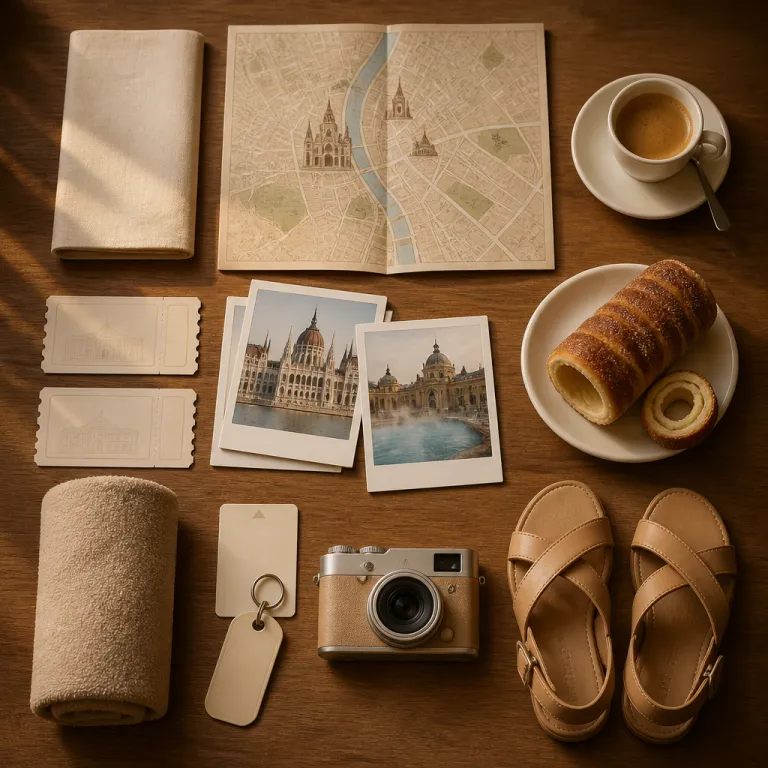
The case against the two night rush in Budapest city
Most people who travel Budapest still try to compress the city into two hurried nights. That pace might work elsewhere in Europe, but in Budapest Hungary it flattens a layered place into a checklist of the Parliament Building, one thermal bath, and a quick walk across the Chain Bridge. If you care about culture, a longer trip Budapest reveals how the Danube River, the grand avenues, and the side streets between Buda and Pest side hold very different stories at different times of day.
On a short visit Budapest often becomes a sequence of queues, from the Hungarian Parliament tour to the Great Market Hall, with little time left to feel how locals actually use these spaces. You rush past the Danube embankment at sunset, never pausing for a coffee on the Pest side terrace where the city’s great writers once argued about Hungary and Europe. A considered travel guide to Budapest city argues for at least five nights, because culture here is not a single site but a rhythm that only emerges with time.
When you extend your trip, the famous landmarks stop competing and start conversing. Buda Castle and the Castle Hill museums feel different after an evening concert at Müpa Budapest or a chamber recital in a side chapel near Matthias Church. Staying longer lets you visit the same place twice, perhaps returning to the Hungarian Parliament building by night, when its reflection in the Danube feels like a separate city entirely.
Castle Hill, Buda Castle and the riverside: where to stay for heritage and views
For couples planning to travel Budapest with culture in mind, Castle Hill is the most strategic starting point. This elevated district in Buda city side places you within walking distance of Buda Castle, Matthias Church, and the Fisherman’s Bastion terraces that frame the Parliament Building and the Danube River in one sweeping view. A luxury hotel here turns every return to your room into another quiet visit to a UNESCO listed landscape.
Properties around Buda Castle tend to be discreet rather than ostentatious, with thick walls, calm courtyards, and views that make a longer trip Budapest feel inevitable. From these hotels you can wander down medieval lanes to a tiny coffee place, then continue to the Chain Bridge for an unhurried crossing to the Pest side galleries and the Great Market. If you prefer a refined hotel midscale experience with strong design and service, study a dedicated guide to choosing a refined hotel in Budapest before you book.
Staying riverside on either Buda or Pest side offers a different kind of cultural immersion. On the Buda Pest axis, Danube facing suites let you watch the city change colour from Heroes’ Square to the distant hills, while the Chain Bridge lights trace a path between your hotel and the Hungarian Parliament. With more time, you can plan separate days for Castle Hill museums, Danube embankment walks, and evening performances, instead of forcing them into a single exhausting circuit.
Pest side, Andrássy Avenue and the Jewish Quarter: urban culture in layers
Cross to the Pest side and the argument for a longer travel Budapest stay becomes even stronger. This is the flat, elegant half of Budapest city where Andrássy Avenue, Heroes’ Square, and the side streets of the Jewish Quarter form a dense cultural grid. Luxury and premium hotels here place you between grand opera houses, contemporary galleries, and cafés where the Hungarian habit of lingering over coffee still shapes the day.
In this part of Budapest Hungary, a two night trip Budapest barely covers the surface. You might visit St Stephen Basilica, glance at the façades along Andrássy, and rush through the Great Market Hall before your airport transfer arrives. With five or more nights, you can follow a slower travel guide that dedicates one day to the Jewish Quarter’s synagogues and ruin bars, another to Heroes’ Square and the nearby museums, and another to the Danube River promenade and its side streets.
Couples who enjoy structured itineraries can use a curated three day cultural plan as a starting point, then stretch it into a week. A thoughtful option is this three day luxury itinerary from Buda Castle to the ruin bars, which can be expanded with extra museum days and slower mornings. Staying longer on the Pest side also means you can return to the same coffee place near St Stephen Basilica or the same wine bar in the Jewish Quarter, letting the city shift from impressive to familiar.
Museums, festivals and why five nights change your relationship with the city
Budapest’s cultural infrastructure rewards those who treat travel Budapest as a deep dive rather than a quick dip. The Budapest Tourism Office and major venues like Müpa Budapest have spent years building a calendar where spring, summer, autumn, and winter each carry distinct cultural signatures. According to local guidance, “Spring and summer offer numerous festivals.”
That rhythm only makes sense when you give the city time. With at least five nights, you can pair daytime visits to Buda Castle museums, the Hungarian Parliament, and the Market Hall with evening performances, gallery openings, or Danube side walks that feel unhurried. A longer stay also lets you use practical tools such as city maps, event calendars, and public transport passes in a more relaxed way, turning logistics into part of the pleasure rather than a race.
For couples, this slower approach transforms a trip Budapest into a shared cultural project. One day might focus on Castle Hill and Matthias Church, another on Heroes’ Square and the surrounding museums, and another on the Jewish Quarter’s smaller galleries and coffee houses. Over a week you start to feel how the Danube River, the Chain Bridge, and the Parliament Building are not isolated sights but recurring companions in your own travel guide to Budapest city.
Luxury hotels, value for money and planning a longer cultural stay
One of the strongest arguments to travel Budapest for more than a weekend is financial. Compared with other capitals in Europe, Budapest Hungary still offers a favourable balance between luxury hotel rates, restaurant prices, and cultural ticket costs. For many couples, a week in a Danube view suite here can match three nights in a smaller room in Paris or London, especially outside peak times.
That relative affordability changes how you plan your trip Budapest. Instead of choosing between a Danube River view and proximity to Buda Castle or St Stephen Basilica, you can often have both by selecting a well located property on either side of the river. Families or couples considering a longer cultural stay with children can also look at this family friendly luxury guide to Budapest, then adapt the advice for an adults only itinerary.
When you stay longer, your hotel becomes a cultural base rather than just a bed. Morning walks might take you from the Chain Bridge to the Great Market Hall for fresh produce, while evenings could alternate between Danube side cocktails, concerts, and quiet returns through Castle Hill. Over several days, the city’s great set pieces — Buda Castle, the Hungarian Parliament, Heroes’ Square, and the Jewish Quarter — start to feel less like separate attractions and more like chapters in a single, coherent Budapest city story.
Practical cultural travel guide: how to structure a week in Budapest
Planning to travel Budapest for a week allows you to structure your days with intent. Start by dividing the city into Buda and Pest side zones, then assign each day a clear cultural focus such as Castle Hill, the Danube embankments, or the Jewish Quarter. This approach turns a long list of places — from Buda Castle and Matthias Church to the Parliament Building and the Great Market Hall — into a calm, navigable travel guide.
On Buda side, dedicate one full day to Castle Hill, including Buda Castle museums, Matthias Church, and the Fisherman’s Bastion terraces, then return at night to feel how the Danube River and the Chain Bridge change character. Another day can focus on quieter residential streets, local coffee houses, and riverside walks that reveal how Budapest city lives beyond its postcard views. On Pest side, plan separate days for St Stephen Basilica and its surrounding cafés, Heroes’ Square and the nearby museums, and the Market Hall area with its Hungarian food stalls.
Throughout the week, leave space for spontaneous visiting. A flexible schedule lets you respond when a local guide mentions a temporary exhibition, or when a concert at Müpa Budapest aligns with your time in the city. By the end of a seven night trip Budapest, you will not only have seen the best known places but also started to feel how this Danube capital in Hungary belongs in the same cultural conversation as any great city in Europe.
FAQ: planning a longer cultural stay in Budapest
What are the must visit cultural sites for a first longer stay?
For a culturally focused trip Budapest, prioritise Buda Castle and Castle Hill, the Hungarian Parliament building on the Danube River, and St Stephen Basilica on the Pest side. Add Heroes’ Square with its surrounding museums, the Jewish Quarter for synagogues and cafés, and the Great Market Hall for everyday Hungarian flavours. These places form a coherent route that works well across five to seven days.
How many nights should couples plan if they value culture?
Couples who travel Budapest primarily for culture should plan at least five nights, with seven offering a more relaxed rhythm. This duration allows separate days for Buda side landmarks, Pest side museums, and Danube embankment walks, plus one or two evenings at venues such as Müpa Budapest. Anything shorter tends to compress the city into a rushed checklist.
When is the best time to visit Budapest for cultural events?
Budapest offers cultural activity year round, but spring and summer bring the richest festival calendars. During these seasons, you can combine daytime visits to Buda Castle, the Parliament Building, and the Market Hall with evening performances and Danube side events. Autumn and winter are quieter yet still rewarding, with exhibitions, concerts, and atmospheric coffee house culture.
Are guided cultural tours recommended for a week long stay?
Guided tours are very useful at the beginning of a longer trip Budapest, especially around Castle Hill, the Jewish Quarter, and the Parliament area. A knowledgeable guide can provide historical context that enriches your later self guided visiting. After one or two structured tours, most couples enjoy exploring with city maps, public transport, and their own evolving travel guide.
Is a Budapest Card worthwhile for a cultural focused visit?
For travellers who plan to use public transport frequently and visit several museums, a Budapest Card can be good value. The card typically includes unlimited transport and discounts at selected cultural institutions, which suits a five to seven night stay. It also simplifies logistics, letting you move easily between Buda Castle, Heroes’ Square, the Market Hall, and Danube side districts.